How I Found Calm in Chaos: A Real Guide to Hobby-Driven Wellness
You don’t need a magic fix to feel better—just a hobby that truly fits your life. I used to burn out constantly until I discovered how small, joyful activities could reset my mind and body. It wasn’t about perfection, but consistency. This isn’t a rigid plan, just real habits that helped me. If you’re overwhelmed, stressed, or just stuck, let this be your gentle nudge toward a healthier, more balanced you.
The Hidden Cost of a Hobby-Less Life
Modern life moves fast, and for many women in their 30s, 40s, and 50s, the daily rhythm revolves around responsibilities—managing households, supporting families, meeting work demands, and keeping everything running smoothly. In the middle of this constant motion, personal time often gets pushed aside. What many don’t realize is that the absence of a creative outlet or a simple, enjoyable activity carries a quiet but serious cost. Without hobbies, the mind has no release valve. Stress accumulates like unseen weight, slowly affecting both mental clarity and physical health.
Chronic stress, when left unaddressed, can manifest in ways that feel ordinary but are deeply disruptive—constant fatigue, difficulty concentrating, restless sleep, and a low-grade sense of irritability. These aren’t just signs of being busy; they’re signals that the nervous system is overtaxed. Research in behavioral health consistently shows that individuals who lack regular leisure engagement report higher levels of emotional exhaustion and lower life satisfaction. The brain needs downtime that is truly disengaged from productivity—not scrolling through social media or catching up on chores, but activities that spark genuine enjoyment.
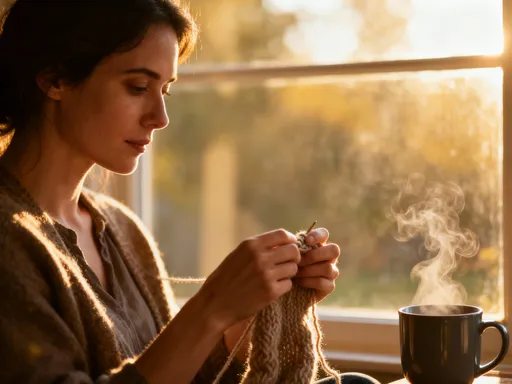
Consider the difference between passive consumption and active creation. Watching another episode or browsing online might feel like rest, but it doesn’t provide the same psychological reset as knitting a scarf, tending to houseplants, or writing in a journal. Passive activities often leave the mind still spinning, while creative or hands-on hobbies engage the brain in a different, more calming rhythm. They shift focus from external demands to internal fulfillment. This kind of engagement activates the parasympathetic nervous system, the body’s natural mechanism for relaxation and recovery.
The truth is, hobbies are not frivolous indulgences. They are essential lifestyle habits that protect emotional balance and physical resilience. When life feels overwhelming, it’s easy to view hobbies as luxuries we don’t have time for. But the opposite is true—they are among the most effective tools we have for sustaining long-term well-being. Just as regular meals fuel the body, regular moments of joy nourish the mind. Ignoring this need doesn’t make us stronger; it makes us more vulnerable to burnout.
Why Hobbies Work Like Natural Medicine
Science confirms what many intuitively sense: doing something you love has measurable health benefits. When a person engages in a pleasurable activity—whether painting, gardening, playing piano, or baking—the brain responds with a cascade of positive neurochemical changes. Cortisol, the primary stress hormone, begins to decline. At the same time, dopamine, the neurotransmitter linked to motivation and pleasure, increases. These shifts aren’t dramatic in the moment, but over time, they create a more stable emotional baseline, making it easier to handle daily challenges with calm and clarity.
Think of hobbies as preventive care for the mind. Just as regular exercise strengthens the heart and improves circulation, consistent engagement in enjoyable activities strengthens emotional resilience. A study published in the Journal of Positive Psychology found that individuals who spent even 30 minutes a day on a self-chosen leisure activity reported significantly lower stress levels and higher feelings of well-being within just two weeks. The effects were not dependent on skill level or output—simply showing up and participating was enough.
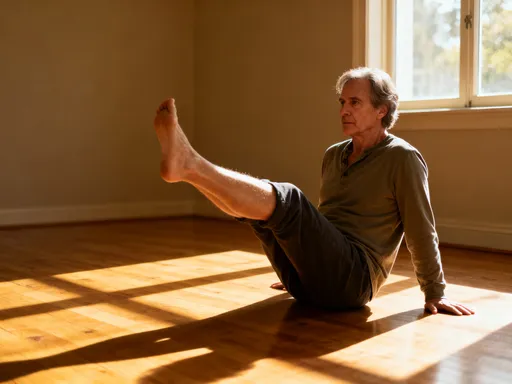
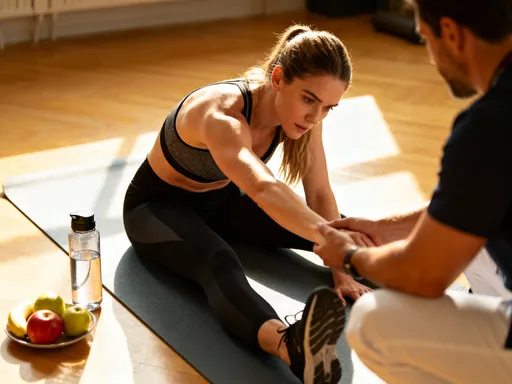
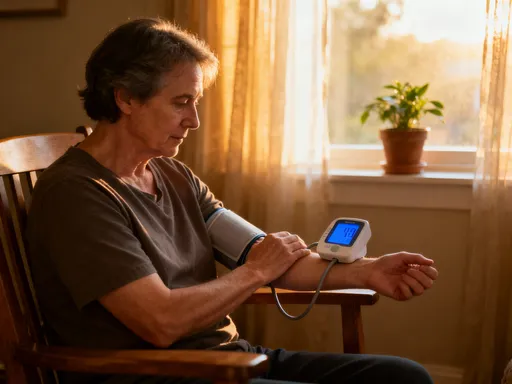
Physical health also benefits. Lower stress levels are linked to improved sleep quality, better digestion, and reduced inflammation. Hobbies that involve movement—such as dancing, walking in nature, or tending a garden—add the bonus of light physical activity, which supports cardiovascular health and joint mobility. Even seated activities like knitting or journaling can lower heart rate and blood pressure by promoting mindfulness and rhythmic focus.
One powerful example is the effect of gardening on mental health. Research from the University of Exeter found that people who gardened regularly reported fewer symptoms of anxiety and depression. The combination of being outdoors, working with soil, and nurturing living plants creates a unique sense of purpose and connection. Similarly, playing a musical instrument has been shown to enhance cognitive flexibility, particularly in adults over 40, by stimulating multiple areas of the brain simultaneously.
These benefits are not about achieving mastery or producing something impressive. They come from the act itself—the rhythm of repetition, the focus on the present moment, the quiet pride in doing something just for yourself. Hobbies don’t cure illness, but they do build a foundation of wellness that makes it easier to navigate life’s inevitable stresses. They are not medicine in a bottle, but they function like natural, side-effect-free support for the whole self.
Finding Your Fit: Match the Hobby to Your Energy, Not the Trend
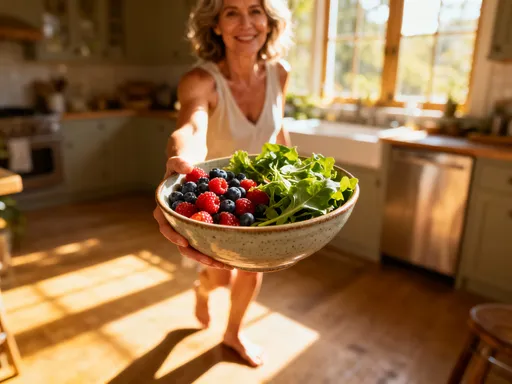
Not every hobby suits every person, and that’s okay. The key to sustainability isn’t choosing what’s popular, but what aligns with your natural rhythms and energy patterns. Some people thrive on quiet, repetitive tasks that allow the mind to wander—activities like crocheting, coloring, or arranging flowers. Others feel most alive when moving, expressing, or learning something new—like taking a dance class, trying watercolor painting, or learning a language. The goal is to find what feels nourishing, not what looks good on social media.
A useful way to begin is by reflecting on moments when you’ve lost track of time. When was the last time you were so absorbed in an activity that you didn’t notice the clock? That sense of flow is a clue. Another helpful question is: What did you love doing as a child? Many adults rediscover joy in activities they once enjoyed—baking, reading mystery novels, building things, or caring for animals. These early interests often point to innate preferences that have been buried under years of responsibility.
It’s also important to consider your current energy levels. If your days are already full and demanding, a high-effort hobby might feel like another chore. That’s why low-pressure, accessible activities often work best. For example, if you’re drawn to creativity but feel intimidated by blank pages or canvases, try starting with adult coloring books or simple collage-making. If you enjoy being outdoors but don’t have time for long hikes, begin with short walks in a local park or tending a few potted herbs on a windowsill.
The right hobby should feel like a welcome pause, not another item on your to-do list. It doesn’t have to be expensive, time-consuming, or produce anything tangible. The value is in the experience—the way it makes you feel more centered, more like yourself. When a hobby fits, it doesn’t drain you; it recharges you. And that alignment is what makes it sustainable over months and years, not just a fleeting experiment.
Start Small: The 10-Minute Rule That Changes Everything
One of the biggest obstacles to starting a hobby is the belief that it requires large blocks of time or serious commitment. This misconception stops many women before they even begin. The truth is, you don’t need hours. You need consistency, not duration. That’s why the 10-minute rule is so powerful: commit to just ten minutes a day. This tiny investment removes the pressure of perfection and makes it easy to begin, even on the busiest days.
Micro-sessions work because they align with how habits are formed. According to behavioral science, the brain learns best through repetition, not intensity. Doing something small every day builds a neural pathway that makes the behavior feel more natural over time. After a week of ten-minute sketching sessions, for example, you’re more likely to sit down and draw for twenty minutes without even thinking about it. The habit loop—cue, routine, reward—begins to take root.
Imagine using those ten minutes to write in a journal, focusing not on grammar or structure, but on capturing your thoughts. Or spend them arranging photos in a scrapbook, listening to soft music. Maybe it’s folding laundry while listening to an audiobook you love—turning a chore into a moment of personal enjoyment. The activity doesn’t have to be separate from your routine; it can be woven into it.
What matters is intentionality. When those ten minutes are protected as time for yourself, they become an anchor in the day. They signal to your brain: this is a moment of pause, of choice, of self-care. Over time, these small acts accumulate. You begin to feel more in control, more present. And as the habit strengthens, you may find yourself looking forward to that quiet time, seeking it out, even extending it naturally. The 10-minute rule isn’t about limitation—it’s about liberation from the all-or-nothing mindset that often derails good intentions.
Weave It Into Life: Making Hobbies a No-Guilt Habit
Even when we know hobbies are beneficial, many women struggle with guilt when taking time for themselves. There’s an unspoken belief that time spent on personal enjoyment could be better used on family, work, or household tasks. This mindset turns self-care into a source of stress instead of relief. The shift begins with redefining hobbies not as indulgences, but as essential acts of maintenance—just like eating well or getting enough sleep.
One effective way to reduce guilt is to integrate the hobby into an existing routine. Pair it with something you already do daily. For example, enjoy a cup of herbal tea while reading a novel. Listen to a favorite podcast while folding laundry. Keep a sketchpad and colored pencils on the kitchen table and use them during breakfast. These pairings make the activity feel natural, not disruptive. They also increase the likelihood of follow-through, because you’re building on a habit that’s already in place.
Another strategy is to schedule hobby time like any other important appointment. Put it in your calendar, even if it’s just ten minutes. Treat it with the same respect as a doctor’s visit or a school pickup. When it’s scheduled, it’s no longer optional—it becomes part of your rhythm. You wouldn’t skip a family obligation without reason; why skip something that supports your well-being?
It’s also helpful to reframe the purpose of the hobby. Instead of seeing it as “doing something for me,” think of it as “doing something to be better for everyone.” When you’re calmer, more centered, and less reactive, you show up more fully for your family, your work, and your community. A hobby isn’t selfish—it’s sustainable. The energy you gain from these small moments of joy spills over into every other area of life. You become more patient, more present, more resilient. That’s not indulgence. That’s stewardship of your most valuable resource—yourself.
When Motivation Fades: How to Keep Going Without Burnout
Even with the best intentions, there will be days—sometimes weeks—when motivation dips. This is normal. Life gets busy. Energy wanes. Enthusiasm fades. The key is not to mistake a temporary slump for failure. Progress is rarely linear, and sustainable habits are built not on constant motivation, but on gentle persistence. When the spark dims, the goal isn’t to push harder, but to adjust with kindness.
One effective strategy is to change the format of the hobby without abandoning it. If journaling feels like a chore, switch to voice notes. If painting feels overwhelming, try doodling instead. If walking outside seems too much, stretch by the window while listening to music. These small shifts keep the essence of the activity alive without requiring the same level of effort. They honor your current energy while maintaining the habit.
Another helpful approach is to connect with others, even casually. Joining a low-pressure community—like a local book club, an online gardening group, or a weekend craft circle—can reignite interest. Seeing what others are creating, sharing small wins, or simply knowing you’re not alone can provide subtle encouragement. These connections don’t have to be deep or time-consuming; even a quick comment on a shared photo can spark joy.
It’s also okay to take a short break. Rest is part of rhythm. Stepping away for a few days doesn’t mean you’ve failed—it means you’re listening to your needs. The important thing is to return without self-criticism. Celebrate small wins: five minutes of coloring counts. One page written counts. One day back after a pause counts. Progress isn’t measured by output, but by return. Each time you come back, you strengthen your commitment to yourself.
Beyond Fun: How Hobbies Build a Healthier Identity
Over time, a consistent hobby does more than provide temporary relief—it reshapes how you see yourself. Instead of defining your worth by productivity or caregiving, you begin to see yourself as someone who creates, explores, and enjoys. This shift is subtle but powerful. It fosters a deeper sense of identity that isn’t tied to external roles, but to internal values—curiosity, expression, balance.
Regular engagement in a hobby builds confidence. You learn that you can start something, stick with it, and improve—even slightly. You discover patience, both with the process and with yourself. You begin to trust your ability to make choices that feel good, not just necessary. These lessons extend far beyond the activity itself. They influence how you handle challenges, set boundaries, and respond to stress.
Hobbies also create a sense of purpose that isn’t dependent on achievement. Growing a plant, writing a poem, or learning a song doesn’t have to result in applause or recognition. The value is in the doing. This kind of purpose is quiet but sustaining. It reminds you that life isn’t just about getting through the day, but about finding moments of meaning within it.
Over months and years, these small, consistent acts compound. They don’t erase life’s difficulties, but they build a stronger foundation for navigating them. You become more resilient, not because you’ve eliminated stress, but because you’ve cultivated balance. You’ve created a life that includes space for joy, not as an afterthought, but as a priority. And in that space, you rediscover a version of yourself that is calmer, clearer, and more at peace.
Hobbies aren’t just pastimes—they’re quiet acts of self-preservation. By choosing joy intentionally, we build a life that supports mental clarity, emotional balance, and lasting wellness. This isn’t about fixing yourself; it’s about rediscovering what already feels right.