How I Started Reversing My Age with Simple Rehab Moves
Have you ever felt your body aging faster than your mind? I did—until I discovered rehabilitation training. At first, I thought it was only for injury recovery, but it turned out to be a game-changer for feeling younger. These gentle, science-backed movements improved my energy, posture, and joint health. No magic pills, just consistency. If you're new to anti-aging fitness, this beginner-friendly approach might be exactly what you need to start feeling stronger, smoother, and more alive every day.
The Wake-Up Call: Recognizing Early Aging Signs
Many women in their 30s, 40s, and beyond begin to notice small but persistent changes in how their bodies feel and function. It might start with stiffness in the morning, a slight wobble when standing on one foot, or the need to pause halfway up the stairs. These signs are easy to dismiss as 'just getting older,' but they are often early signals of functional decline. Unlike visible aging, such as graying hair or fine lines, these physical shifts affect independence, comfort, and confidence in everyday life.
Reduced mobility, muscle tightness, and decreased balance are not inevitable consequences of age—they are indicators of inactivity and poor movement patterns. Over time, joints stiffen, muscles weaken, and the body becomes less efficient at supporting itself. Simple tasks like reaching into a high cabinet, bending to tie a shoe, or standing up from a low chair may require more effort than they once did. These challenges are not just inconvenient; they can erode a sense of self-reliance and increase the risk of falls and injuries.
The turning point comes when we recognize that aging does not have to mean slowing down. Functional fitness—the ability to move freely and safely through daily life—is within reach at any age. The key is early awareness and action. By paying attention to how your body feels during routine activities, you can identify areas that need support before they become limitations. This awareness is the first step toward reversing the physical effects of aging, not through drastic measures, but through consistent, mindful movement.
For many, the realization hits during a routine moment: struggling to rise from the couch without using hands, feeling a twinge in the knee when walking, or noticing that balance isn’t as steady as it once was. These are not signs to accept passively. They are invitations to take charge. Rehabilitation training offers a practical, low-impact way to address these early signs and rebuild strength, stability, and coordination from the ground up.
What Is Rehabilitation Training—and Why It’s Not Just for Injuries?
Rehabilitation training is often associated with recovery after surgery, injury, or illness. While it plays a vital role in healing, its benefits extend far beyond the recovery room. At its core, rehabilitation training is about restoring and maintaining optimal movement. It focuses on improving joint stability, correcting muscle imbalances, and enhancing neuromuscular control—the communication between the brain and muscles. These elements are essential not only for healing but for preserving physical function as we age.
Think of your body like a well-used car. Over time, parts wear down, alignment shifts, and performance declines. Routine maintenance—oil changes, tire rotations, brake checks—keeps the vehicle running smoothly and prevents costly breakdowns. Rehabilitation training serves the same purpose for the human body. It is preventive care for your musculoskeletal system, ensuring that joints move freely, muscles work efficiently, and posture remains aligned. Without this maintenance, small imbalances can lead to larger problems over time.
Unlike high-intensity workouts that focus on burning calories or building muscle mass, rehabilitation training prioritizes quality of movement over quantity. The exercises are often slow, controlled, and deliberate. They may include gentle stretches, isometric holds, and small-range motions that activate deep stabilizing muscles—those often overlooked in traditional exercise routines. These muscles, such as the transverse abdominis, gluteus medius, and rotator cuff, play a critical role in supporting the spine, hips, and shoulders during everyday activities.
By strengthening these foundational muscles, rehabilitation training enhances overall movement efficiency. This means less strain on joints, reduced risk of injury, and improved posture. Over time, this type of training can help reverse the physical signs of aging by restoring lost mobility, increasing joint lubrication, and improving body awareness. It is not about pushing the body to its limits; it is about retraining it to move with greater ease, control, and confidence.
The Science Behind Movement and Cellular Aging
Emerging research in the field of longevity science reveals that physical activity does more than strengthen muscles and improve cardiovascular health—it can influence the aging process at the cellular level. One of the most compelling findings involves telomeres, the protective caps at the ends of chromosomes that shorten as cells divide. Shorter telomeres are associated with aging and age-related diseases. Studies have shown that individuals who engage in regular, moderate physical activity tend to have longer telomeres, suggesting a slower rate of cellular aging.
Rehabilitation training, with its emphasis on controlled, mindful movement, contributes to this protective effect. These exercises promote better circulation, which enhances the delivery of oxygen and nutrients to tissues while supporting the removal of metabolic waste. Improved blood flow also helps reduce chronic inflammation, a key driver of many age-related conditions, including arthritis, heart disease, and cognitive decline. By moving regularly, even in small ways, the body maintains a healthier internal environment.
Mitochondria, the energy-producing structures within cells, also benefit from consistent movement. As we age, mitochondrial function tends to decline, leading to fatigue and reduced cellular repair. Rehabilitation exercises stimulate mitochondrial biogenesis—the creation of new mitochondria—helping cells produce energy more efficiently. This translates to increased stamina, faster recovery, and a greater sense of vitality throughout the day.
Additionally, rehabilitation training enhances neuromuscular coordination, the brain’s ability to communicate effectively with muscles. This coordination tends to weaken with age, leading to slower reaction times and less precise movements. By practicing controlled motions—such as lifting a leg slowly while balancing or performing a seated shoulder roll with focus—the brain reinforces these neural pathways. This not only improves movement quality but also supports cognitive health, as physical and mental function are closely linked.
These biological benefits are not reserved for athletes or fitness enthusiasts. They are accessible to anyone willing to move with intention. The key is consistency. Just as brushing your teeth daily prevents dental decay, regular rehabilitation exercises help maintain the body’s structural and cellular integrity over time.
Building a Beginner-Friendly Routine: First Steps That Matter
Starting a new fitness routine can feel overwhelming, especially if you’ve been inactive for years or are managing physical discomfort. The good news is that rehabilitation training is designed to be accessible, regardless of your current fitness level. The most effective approach is to begin small—just 10 to 15 minutes a day—and focus on consistency rather than intensity. This low-pressure entry point makes it easier to build a lasting habit without feeling discouraged.
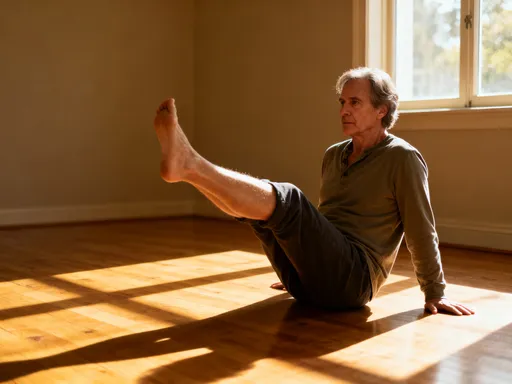
A beginner routine might include seated leg lifts to activate the hip flexors, shoulder rolls to release upper back tension, and heel-to-toe walks to improve balance and coordination. These movements are gentle, require no equipment, and can be done at home. The emphasis is on form and control, not speed or repetition. For example, when performing a seated leg lift, the goal is to engage the core, keep the back straight, and lift the leg slowly, feeling the muscles work rather than rushing through the motion.
Tracking progress in rehabilitation training looks different than in traditional fitness. Instead of measuring weight loss or increased reps, success is reflected in daily improvements: standing up from a chair without using your hands, sleeping more soundly, or noticing less stiffness in the morning. These subtle changes are powerful indicators of progress. They show that the body is regaining strength, mobility, and resilience.
To stay motivated, it helps to pair exercises with existing habits—a strategy known as habit stacking. For instance, you might do ankle circles while brushing your teeth, practice pelvic tilts while waiting for the kettle to boil, or perform gentle neck stretches during a TV commercial break. These micro-movements add up over time, reinforcing the idea that fitness is not a separate event but a natural part of daily life.
Core, Balance, and Joint Mobility: The Anti-Aging Trio
Three foundational elements—core stability, balance, and joint mobility—are essential for maintaining functional youthfulness. Strengthening these areas not only improves physical performance but also enhances confidence and independence. As we age, the risk of falls increases, often due to weakened core muscles, poor balance, and stiff joints. Targeted rehabilitation exercises can address each of these factors, creating a strong foundation for lifelong mobility.
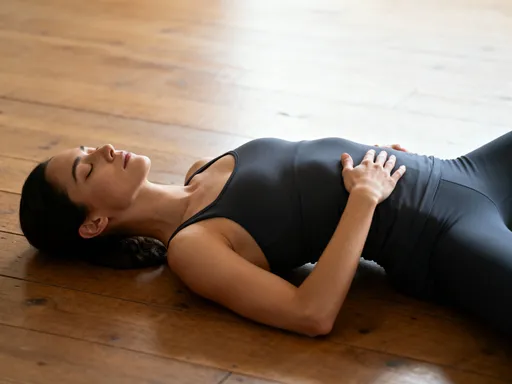
Core stability begins with the deep abdominal muscles, particularly the transverse abdominis, which acts like a natural corset around the waist. Exercises such as pelvic tilts, performed lying on your back with knees bent, help activate these muscles. By gently tilting the pelvis upward and flattening the lower back against the floor, you engage the core without straining the spine. Over time, this improves posture, reduces lower back discomfort, and enhances overall stability during daily movements.
Balance is equally important. Simple exercises like standing on one leg—holding onto a chair for support if needed—train the body to maintain equilibrium. This not only reduces fall risk but also sharpens neuromuscular coordination. As balance improves, tasks like walking on uneven surfaces or stepping off a curb become easier and safer. Progress can be measured by how long you can hold the position or how little support you need over time.
Joint mobility ensures that the body’s hinges—wrists, ankles, shoulders, hips—move freely and without pain. Stiff joints limit range of motion and increase wear on cartilage. Gentle circular motions, such as wrist and ankle rolls, lubricate the joints, improve circulation, and maintain flexibility. Incorporating these movements into your routine helps preserve joint health and prevents the gradual loss of motion that often accompanies aging.
Together, these three components form a powerful trio for anti-aging fitness. They support each other: a strong core enhances balance, good balance improves movement control, and mobile joints allow for smooth, pain-free motion. By dedicating a few minutes each day to these areas, you invest in long-term physical resilience.
Integrating Rehab into Daily Life: Beyond the Workout
The true power of rehabilitation training lies not in isolated exercise sessions but in how it transforms everyday movement. Lasting change comes from integrating mindful motion into routine activities. This means sitting with a straighter back, standing with feet shoulder-width apart, or lifting objects with bent knees and a supported spine. These small adjustments reduce strain on the body and reinforce the benefits of formal exercises.
One effective strategy is to take micro-movement breaks throughout the day. If you spend time at a desk or doing household chores, set a timer to pause every 30 to 60 minutes. Use that time to stand, stretch your arms overhead, roll your shoulders, or walk in place for a minute. These brief interruptions prevent stiffness, improve circulation, and refresh the mind. Over time, they become natural habits that support overall well-being.
Another way to integrate rehab principles is through mindful use of stairs. Instead of rushing up or down, focus on engaging your glutes and keeping your posture tall. Step with control, placing your entire foot on each step. This turns a simple activity into a functional exercise that strengthens the legs and improves balance. Similarly, when standing in line or waiting for a pot to boil, practice shifting your weight from one foot to the other or doing a few heel raises to activate the calves.
Habit stacking remains a powerful tool. Pairing rehabilitation movements with daily routines makes them easier to remember and sustain. For example, do seated spinal twists while watching the morning news, or practice deep breathing with diaphragmatic engagement while folding laundry. These integrations ensure that fitness is not a chore but a seamless part of your day, reinforcing the body’s ability to move well in all aspects of life.
When to Seek Professional Guidance—and Why It’s Worth It
While many rehabilitation exercises can be safely performed at home, professional guidance can significantly enhance both safety and effectiveness. A physical therapist or certified rehabilitation specialist can assess your individual movement patterns, identify imbalances, and create a personalized plan tailored to your needs. This is especially valuable if you have a history of joint pain, previous injuries, or chronic conditions such as arthritis or osteoporosis.
A professional evaluation may include posture analysis, gait assessment, and tests of flexibility and strength. Based on these findings, a therapist can recommend specific exercises, correct your form, and progress your routine at the right pace. This personalized approach minimizes the risk of overexertion or improper technique, which could lead to strain or discomfort.
Moreover, working with a professional provides accountability and encouragement. Knowing that someone is monitoring your progress can boost motivation and help you stay consistent. It also allows for timely adjustments to your program as your strength and mobility improve. This collaborative relationship ensures that your rehabilitation journey is both effective and sustainable.
Seeking help is not a sign of weakness—it is an act of self-care. Just as you would consult a dentist for oral health or an optometrist for vision, consulting a movement specialist is a proactive step toward long-term physical well-being. The investment in professional guidance pays off in greater confidence, reduced pain, and improved quality of life.
Aging Forward with Strength and Confidence
Rehabilitation training is not about turning back the clock or achieving a youthful appearance. It is about aging forward with strength, grace, and confidence. By embracing simple, intentional movements, women of all ages can reclaim their physical vitality and maintain independence well into later years. The journey begins with small steps—literally and figuratively—but the cumulative impact is profound.
Every time you perform a pelvic tilt, balance on one foot, or roll your shoulders mindfully, you are sending a message to your body: I am still here. I am still moving. I am still in charge. These actions build resilience, improve joint health, and enhance overall well-being. Over time, they lead to greater ease in daily life, fewer aches and pains, and a renewed sense of energy.
The beauty of rehabilitation training lies in its accessibility and sustainability. It does not require expensive equipment, a gym membership, or hours of commitment. It fits into real life, adapting to your schedule, your space, and your current abilities. Whether you are 35, 50, or 65, it is never too early or too late to start.
Aging is inevitable, but decline is not. With consistent, mindful movement, you can influence how your body ages—preserving strength, mobility, and confidence. Rehabilitation training offers a practical, science-backed path to feeling younger from the inside out. It is not a quick fix, but a lifelong commitment to moving well, living well, and aging well.