How Yoga and TCM Helped Me Notice the Early Signs No One Talks About
I never thought my morning yoga routine would reveal more than flexibility—until I started tuning into subtle body signals I’d ignored for years. Blending traditional Chinese medicine with mindful movement changed how I see health. It’s not about waiting for illness to strike. It’s about listening earlier, deeper, and smarter. This is how I learned to catch imbalances before they became problems—and how you can, too.
The Wake-Up Call: When Wellness Became Non-Negotiable
For years, I prided myself on being the kind of woman who “kept it together.” I managed family schedules, worked part-time, cooked meals, and still found time to exercise. But beneath the surface, something was shifting. I began waking up exhausted, even after eight hours of sleep. My energy dipped unpredictably during the day, and I often felt a vague sense of unease—like my body was trying to tell me something, but I couldn’t decipher the message. Doctors ran tests. Blood work came back normal. No diagnosis was given. Yet, I knew something was off.
That disconnect marked my turning point. I realized modern healthcare, while essential, often waits for clear symptoms before stepping in. It’s designed to treat disease, not detect subtle shifts before they escalate. I didn’t want to wait until a condition became undeniable. I wanted to understand my body’s whispers before they turned into shouts. That’s when I turned to two ancient systems: yoga and traditional Chinese medicine (TCM). These weren’t just paths to relaxation—they became tools for early detection, offering insights no blood test could capture.
What drew me to TCM and yoga was their focus on balance and prevention. Unlike the reactive model of Western medicine, these traditions view health as a dynamic state of harmony. They teach that imbalances manifest long before disease appears—through fatigue, minor aches, mood changes, or shifts in sleep and digestion. By learning to read these signs, I began to see wellness not as the absence of illness, but as an ongoing practice of awareness and adjustment.
Understanding Early Disease Detection Beyond Tests
Most of us think of early detection in terms of screenings—mammograms, colonoscopies, or blood pressure checks. These tools are vital, but they often come into play only after a physiological change has occurred. True early detection, as I’ve come to understand it, begins much earlier. It’s about recognizing patterns—recurring sensations, emotional shifts, or energy fluctuations—that suggest an underlying imbalance is developing.
Traditional Chinese medicine operates on this principle. It views the body as an interconnected system where energy, known as qi, flows through pathways called meridians. When qi becomes blocked, deficient, or excessive, it creates disharmony. TCM doesn’t wait for a tumor or chronic condition to form. Instead, it looks for signs like a pale tongue, a wiry pulse, or persistent irritability—clues that an organ system may be under stress. For example, in TCM, the liver is associated with smooth flow of qi and emotions. Chronic frustration or anger might indicate liver qi stagnation, a pattern that, if unaddressed, could contribute to digestive issues, headaches, or hormonal imbalances over time.
Mindfulness plays a crucial role in this process. By slowing down and tuning in, we become more sensitive to energetic shifts. A slight heaviness in the limbs, a change in breath rhythm, or a feeling of tightness in the chest can all signal that something is shifting internally. These aren’t yet symptoms—they’re signals. And with practice, we can learn to respond before they evolve into more serious conditions. This proactive approach doesn’t replace medical testing; it complements it by giving us a deeper, more personal understanding of our health.
Yoga as a Body Scanner: Tuning Into What Your Muscles and Breath Are Saying
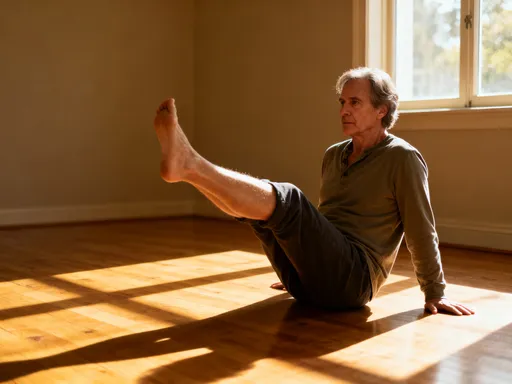
I used to think of yoga as a way to stretch and relax. Now, I see it as a daily body scan. Each pose offers feedback. When I move into a forward fold, I notice if one side of my back resists more than the other. In a twist, I can feel where tension accumulates. These aren’t just physical differences—they’re clues. Asymmetries in flexibility or strength often reflect deeper imbalances, such as organ stress or energetic blockages in specific meridians.
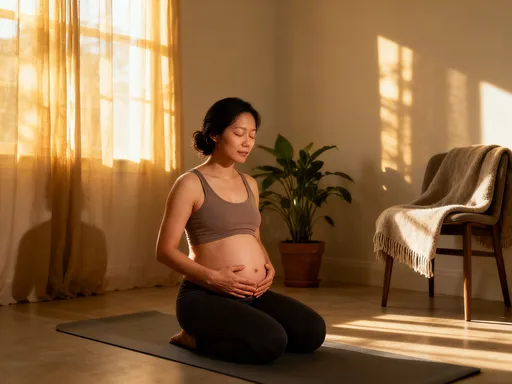
Breath awareness, or pranayama, has become one of my most valuable tools. The breath is a direct reflection of the nervous system. When I sit quietly and observe my inhales and exhales, I can tell if my system is calm or agitated. Shallow, rapid breathing often signals stress or anxiety, even if I’m not consciously feeling it. On days when my breath feels uneven or restricted, I know my body is under strain—perhaps from poor sleep, emotional stress, or an emerging imbalance. Slowing the breath, extending the exhale, and practicing techniques like diaphragmatic breathing help reset my nervous system and restore balance.
My morning routine is simple but revealing. I begin with gentle cat-cow stretches to warm the spine and observe how my back moves. Then, I move into seated twists, paying attention to resistance on either side. I finish with a few minutes of mindful breathing and body scanning. Over time, this practice has helped me notice patterns—like increased tightness in my shoulders during stressful weeks, or a feeling of lightness after adjusting my diet. These small observations have guided me to make timely changes, preventing minor tensions from turning into chronic discomfort.
TCM’s Daily Check-Ins: Tongue, Pulse, and Energy Mapping
One of the most empowering aspects of TCM is learning to read your own body’s signals. You don’t need special equipment—just a mirror and a few minutes each day. The tongue, for instance, is considered a map of internal health in TCM. I started examining mine every morning. A thick white coating might suggest digestive sluggishness or dampness. A red tip could indicate heat in the heart or emotional stress. A pale tongue might point to qi or blood deficiency—common in women with busy lives and irregular rest patterns.
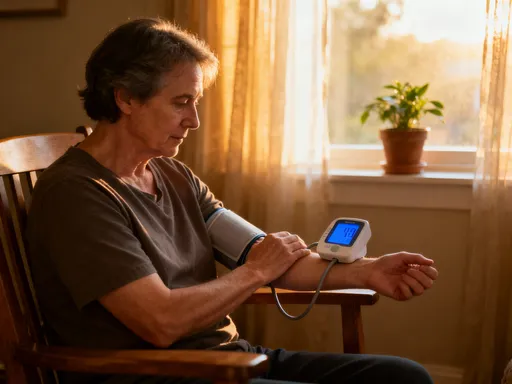
Pulse reading is more complex, but even basic awareness helps. I place two fingers on my wrist each morning and notice the rhythm. Is it strong or weak? Fast or slow? Regular or irregular? While I don’t interpret it like a trained practitioner, I’ve learned to recognize when something feels different. A consistently rapid pulse, for example, often coincides with periods of overwork or emotional strain. These subtle shifts prompt me to slow down, rest more, or adjust my routine before fatigue becomes burnout.
Another practice I’ve adopted is checking acupressure points. In TCM, certain points become tender when their related organ system is out of balance. I gently press the point between my thumb and index finger, known as Large Intestine 4, which is linked to immunity and stress. If it’s unusually sore, I take it as a sign that my body is under pressure. Similarly, I check Liver 3 on the top of the foot, associated with emotional regulation. Increased sensitivity there often aligns with times of frustration or mood swings. These simple checks have turned my body into a responsive feedback system, guiding me toward balance before symptoms arise.
The Mind-Body Feedback Loop: Emotions as Early Warning Signals
One of the most surprising lessons I’ve learned is how closely emotions are tied to physical health. In TCM, each organ is linked to an emotion. The liver governs anger and frustration, the heart relates to joy and anxiety, the spleen to overthinking, and the lungs to grief. When an organ system is stressed, its corresponding emotion may intensify. I used to dismiss my occasional irritability as just part of a busy day. But as I deepened my practice, I began to see it as a signal—often pointing to liver qi stagnation, especially when accompanied by tight shoulders, headaches, or digestive discomfort.
Meditation helped me trace these emotions to their physical roots. During quiet sitting, I’d notice how a wave of anxiety would rise—and then check in with my body. Was my jaw clenched? My breath shallow? My stomach tight? These physical cues helped me identify which system was under stress. Over time, I developed a practice of pausing when strong emotions arose, asking myself not just “Why am I feeling this?” but “Where am I feeling this?” This shift transformed my relationship with emotions. Instead of reacting impulsively, I began to respond with care, using breathwork, gentle movement, or acupressure to restore balance.
To support this awareness, I started keeping a simple emotional journal. Each evening, I jot down my dominant mood and any physical sensations I noticed. Over weeks, patterns emerged. I saw how certain foods, lack of sleep, or family stress would trigger irritability or fatigue. This journal didn’t replace professional care, but it gave me a clearer picture of my internal landscape. It also helped me communicate more effectively with my acupuncturist, who could tailor treatments based on my observations. Emotions, I realized, aren’t just psychological—they’re physiological signals, and when we learn to read them, they become powerful allies in prevention.
Building a Prevention-First Routine: Small Habits with Big Impact
Integrating these practices into daily life didn’t happen overnight. I started small—five minutes of yoga, a quick tongue check, one mindful breath. Consistency mattered more than duration. Over time, these micro-habits became automatic, like brushing my teeth. Now, my mornings begin with a 10-minute yoga sequence followed by a 5-minute self-check: observing my tongue, feeling my pulse, and scanning for tension. This routine takes less than 15 minutes but sets the tone for the day, grounding me and increasing my body awareness.
Dietary adjustments, guided by TCM principles, have also played a key role. I’ve learned that food is not just fuel—it’s medicine. When I notice signs of coldness—cold hands, fatigue, loose stools—I incorporate warming foods like ginger, cinnamon, and cooked grains. When I feel heat—red face, restlessness, dry mouth—I add cooling foods like cucumber, mint, and pears. These small tweaks help maintain internal balance and support my body’s natural rhythms. I no longer follow rigid diets; instead, I eat according to how I feel, listening to my body’s needs each day.
Of course, there’s a limit to what self-care can do. I’ve learned to recognize when it’s time to seek professional help. Persistent pain, unexplained weight changes, or emotional distress that doesn’t lift with self-care are all signs to consult a healthcare provider. TCM practitioners, acupuncturists, and integrative doctors have been invaluable partners in my journey. This approach isn’t about replacing medicine—it’s about enhancing it with deeper self-awareness. By catching imbalances early, I reduce the need for more intensive interventions later, leading to fewer flare-ups, less stress, and greater resilience over time.
Why This Matters: Shifting from Fear to Empowerment
This journey has fundamentally changed my relationship with health. It’s no longer something I fear losing or wait to regain. It’s an active, daily practice of listening, responding, and adjusting. I’ve moved from a mindset of fear—waiting for something to go wrong—to one of empowerment—knowing I have tools to stay ahead of imbalance. Wellness, I’ve learned, isn’t about perfection. It’s about presence. It’s about noticing the small shifts and responding with kindness and care.
The long-term benefits are profound. I experience fewer colds, better sleep, and more stable moods. I recover faster from stress and feel more in tune with my body’s natural rhythms. Most importantly, I feel more in control—not because I’m avoiding illness, but because I’m engaged in a continuous conversation with my body. This awareness has also deepened my connection to myself and my family. When I’m balanced, I’m more patient, present, and resilient—the kind of mother, wife, and friend I want to be.
What I’ve learned is that everyone can develop this sensitivity. You don’t need years of training or a diagnosis to begin. Start with one minute of breath awareness. Notice how your body feels in a simple stretch. Check your tongue in the mirror. These small acts build a foundation of awareness that grows over time. Health isn’t something that happens to us—it’s something we participate in, moment by moment. By merging the wisdom of traditional Chinese medicine with the grounding practice of yoga and meditation, I’ve learned to listen before the alarm goes off. You don’t need a diagnosis to start paying attention. Start small, stay consistent, and remember: the most powerful tool in early detection is your own attentive presence. Always consult a licensed healthcare provider when concerns arise—this path works best alongside professional care, not instead of it.