What Changed My Skin and Energy After 40 — Real Food Wins
Aging doesn’t have to mean fading vitality. For years, I felt sluggish, my skin dull, and my energy unpredictable—until I shifted how I ate. It wasn’t about extreme diets or magic pills, but simple, science-backed food choices that supported my body’s natural rhythm. This is not a cure, but a lifestyle upgrade that made a noticeable difference. After 40, many women notice changes they didn’t expect: slower metabolism, tiredness by mid-afternoon, fine lines that seem to appear overnight. These aren’t inevitable signs of decline, but often signals from the body asking for better fuel. What we eat plays a central role in how we age—not just in appearance, but in how we feel every day. The good news? Real food offers real solutions.
The Wake-Up Call: When Aging Felt Faster Than Normal
By the time she turned 42, Sarah noticed a shift she couldn’t ignore. Mornings that once began with energy now started with a deep sense of fatigue. Her skin, once glowing and resilient, looked dry and lacked radiance. Even after a full night’s sleep, she felt unrested. At first, she blamed it on stress or lack of time. But when her clothes began to fit differently—not from weight gain, but from a loss of muscle tone—and her recovery from everyday activities slowed, she realized something deeper was happening. She wasn’t just aging; she was aging faster than she wanted.
Like many women in their early 40s, Sarah had accepted the idea that aging is mostly genetic. “It runs in the family,” she’d say, watching her mother struggle with low energy and joint discomfort. But science tells a different story. While genetics do play a role, lifestyle factors—especially diet—account for up to 75% of how we age, according to research published in The Journals of Gerontology. This means the choices we make every day have far more influence than we often believe.
The turning point came when Sarah visited her primary care provider for routine blood work. Her numbers were mostly normal, but her markers for inflammation were elevated. Her doctor explained that chronic, low-grade inflammation is a key driver of aging, linked to everything from wrinkles to joint stiffness and mental fog. And one of the most controllable sources of inflammation? Diet. That moment sparked a shift. Instead of accepting fatigue and dull skin as normal, Sarah began to see them as clues—her body’s way of asking for better nourishment.
Why Food Matters More as We Age
After 40, the body undergoes subtle but significant changes. Metabolism slows by about 5% per decade, meaning fewer calories are burned at rest. Muscle mass begins to decline—a process called sarcopenia—starting as early as age 30 but accelerating after 40. Hormonal shifts, especially during perimenopause, affect how the body stores fat, regulates blood sugar, and retains moisture in the skin. At the same time, nutrient absorption becomes less efficient. The gut may not extract vitamin B12, magnesium, or calcium as well as it once did, increasing the risk of deficiencies that impact energy and bone health.
These changes make diet more important, not less. What worked in your 20s or 30s may no longer support your body’s needs. A plate of pasta that once fueled a busy day might now leave you bloated and drained. Skipping meals might lead to energy crashes instead of weight control. The body becomes more sensitive to the quality of food, not just the quantity. This is why many women in their 40s report feeling “off” even when they’re eating what they believe is a healthy diet.
One of the most powerful insights from aging research is the link between chronic inflammation and visible aging. Inflammation is the body’s natural response to injury or infection, but when it becomes constant—due to poor diet, stress, or lack of sleep—it damages cells, breaks down collagen, and accelerates aging. Processed foods, sugary drinks, and refined carbohydrates are major contributors. In contrast, anti-inflammatory diets rich in whole plant foods, healthy fats, and lean proteins have been shown to reduce these markers and support long-term health.
The scientific consensus is clear: dietary patterns matter. Studies consistently show that people who follow eating styles like the Mediterranean diet—rich in vegetables, fruits, whole grains, fish, nuts, and olive oil—tend to live longer, healthier lives. They have lower rates of heart disease, cognitive decline, and age-related skin changes. A 2020 review in The BMJ found that adherence to this type of diet was associated with a 25% lower risk of early death. This isn’t about living longer in poor health, but about extending healthspan—the years lived with vitality and independence.
The Anti-Aging Plate: What to Eat (And Why It Works)
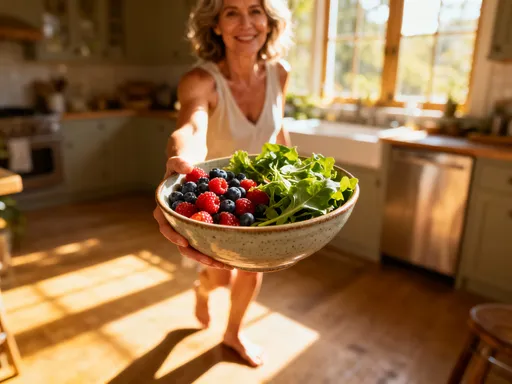
Building an anti-aging plate isn’t about restriction or counting calories. It’s about choosing foods that nourish the body at the cellular level. The foundation? Whole, colorful plant foods. Fruits and vegetables contain antioxidants—compounds that neutralize free radicals, unstable molecules that damage cells and contribute to aging. Berries, especially blueberries and strawberries, are packed with anthocyanins, which have been shown to protect skin from sun damage and improve memory. Leafy greens like spinach and kale provide lutein and vitamin K, supporting eye health and bone strength. Even spices like turmeric and cinnamon offer powerful benefits, with curcumin in turmeric known for its strong anti-inflammatory effects.
Healthy fats are another cornerstone. The body needs fat—not the trans fats found in processed snacks, but the kind found in nature. Avocados, nuts, seeds, and olive oil deliver monounsaturated and polyunsaturated fats that support brain function, hormone balance, and skin hydration. These fats help maintain the skin’s lipid barrier, preventing moisture loss and keeping it plump and smooth. Omega-3 fatty acids, found in fatty fish like salmon and in flaxseeds, reduce inflammation and may improve mood and joint comfort. Studies suggest that women who consume more omega-3s have fewer visible signs of aging, including fine lines and uneven texture.
Protein and fiber are equally important. As muscle mass declines with age, adequate protein intake becomes essential for maintenance and repair. Lean sources like chicken, turkey, eggs, legumes, and Greek yogurt provide the amino acids the body needs without excess saturated fat. Fiber, found in whole grains, beans, fruits, and vegetables, supports gut health, which is increasingly recognized as central to overall well-being. A healthy gut microbiome helps regulate inflammation, supports immune function, and even influences mood. Women who eat more fiber tend to have more stable energy, better digestion, and healthier skin.
Foods That Speed Up Aging — And What to Swap Instead
Just as some foods support graceful aging, others can accelerate it. One of the biggest culprits is added sugar. Found in soft drinks, pastries, and even seemingly healthy granola bars, sugar spikes blood glucose and triggers insulin release. Over time, this cycle contributes to insulin resistance, weight gain, and inflammation. Sugar also binds to proteins in the skin through a process called glycation, forming advanced glycation end products (AGEs) that break down collagen and elastin, leading to wrinkles and sagging. The American Heart Association recommends no more than 25 grams of added sugar per day for women—yet the average intake is over 60 grams.
Refined carbohydrates behave similarly. White bread, white rice, and sugary cereals are quickly broken down into glucose, causing energy spikes and crashes. These foods lack fiber and nutrients, leaving the body undernourished. They also feed harmful gut bacteria, disrupting the balance of the microbiome. The result? Bloating, fatigue, and increased cravings. Choosing whole grains like oats, quinoa, brown rice, and whole-wheat bread slows digestion, stabilizes blood sugar, and provides lasting energy.
Alcohol, when consumed in excess, can also take a toll. While an occasional glass of wine may have some benefits, regular heavy drinking dehydrates the skin, impairs liver function, and disrupts sleep—three factors that directly affect appearance and energy. Low-quality fats, such as those in fried foods and processed snacks, contain trans fats and oxidized oils that promote inflammation. These fats can clog arteries, damage cells, and worsen skin conditions like acne and rosacea.
Swapping these aging accelerators for better choices doesn’t require perfection. Simple changes make a difference. Replace soda with sparkling water and a splash of fruit juice or herbal iced tea. Choose air-popped popcorn or roasted chickpeas instead of potato chips. Opt for dark chocolate with at least 70% cocoa instead of milk chocolate candy bars. These swaps reduce inflammation, stabilize energy, and support long-term health without feeling deprived.
Simple Eating Habits That Make a Difference
Diet is more than just food—it’s also how and when we eat. Consistent meal timing helps regulate metabolism and blood sugar. Skipping meals, especially breakfast, can lead to overeating later and energy crashes. Eating at regular intervals—every 3 to 4 hours—keeps the body fueled and prevents extreme hunger that leads to poor choices. For many women, avoiding late-night eating is also beneficial. The digestive system slows in the evening, and eating too close to bedtime can interfere with sleep and fat metabolism.
Hydration is another often-overlooked factor. Water makes up about 60% of the body and is essential for every function, from circulation to temperature regulation. Dehydration shows up quickly in the skin—fine lines appear deeper, and the complexion looks dull. Even mild dehydration can impair concentration and mood. The National Academies of Sciences, Engineering, and Medicine suggest about 2.7 liters (91 ounces) of total water per day for women, from all beverages and foods. Herbal teas, soups, and water-rich fruits like cucumbers and oranges contribute to this total. Carrying a reusable water bottle and setting reminders can help build this habit.
Mindful eating is a powerful but simple practice. It means slowing down, chewing thoroughly, and paying attention to hunger and fullness cues. When we eat quickly—often while distracted by screens or work—we miss these signals and tend to overeat. Slowing down improves digestion, increases satisfaction, and helps the body absorb nutrients more efficiently. Studies show that people who eat mindfully report better digestion, less bloating, and more stable energy. It also turns meals into moments of calm in a busy day, reducing stress and supporting emotional well-being.
Real-Life Meal Examples: A Day of Anti-Aging Eating
Putting these principles into practice doesn’t have to be complicated. A day of anti-aging eating can be simple, delicious, and satisfying. Start with breakfast: a bowl of oatmeal made with unsweetened almond milk, topped with fresh blueberries, a tablespoon of chia seeds, and a handful of walnuts. Oats provide slow-digesting fiber, berries offer antioxidants, chia seeds deliver omega-3s, and walnuts add healthy fats and protein. This meal stabilizes blood sugar and keeps energy steady through mid-morning.
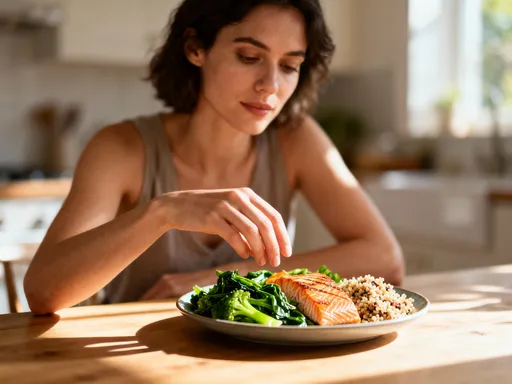
Lunch could be a plate of grilled salmon over a bed of quinoa, accompanied by roasted vegetables like broccoli, carrots, and bell peppers. Salmon is rich in omega-3 fatty acids, quinoa is a complete protein with fiber, and colorful vegetables provide a range of vitamins and phytonutrients. A drizzle of olive oil and lemon juice enhances flavor and boosts the absorption of fat-soluble vitamins. This meal supports brain health, reduces inflammation, and keeps you full without heaviness.
For a snack, consider plain Greek yogurt with a teaspoon of raw honey and a few slices of apple. Greek yogurt is high in protein and probiotics, which support gut health. Apples provide fiber and antioxidants, and honey adds natural sweetness with antimicrobial properties. Another option is a small handful of almonds and a piece of dark chocolate—enough to satisfy a craving while delivering healthy fats and mood-boosting compounds.
Dinner might be a warm lentil stew seasoned with turmeric, cumin, and garlic, served with a slice of whole-grain bread. Lentils are an excellent source of plant-based protein and fiber, supporting muscle and digestion. Turmeric’s curcumin has strong anti-inflammatory effects, and garlic contains allicin, which supports immune function. This meal is comforting, nourishing, and easy to digest. Ending the day with a cup of chamomile or rooibos tea can promote relaxation and better sleep.
Beyond the Plate: Pairing Diet with Lifestyle for Best Results
Food is powerful, but it works best when combined with other healthy habits. Sleep is one of the most underrated tools for aging well. During deep sleep, the body repairs tissues, balances hormones, and clears waste from the brain. Poor sleep is linked to higher inflammation, weight gain, and accelerated skin aging. Aim for 7 to 8 hours of quality sleep each night by maintaining a consistent bedtime, reducing screen time before bed, and creating a calm sleep environment.
Movement is equally important. Regular physical activity—such as walking, strength training, or yoga—preserves muscle mass, supports joint health, and boosts energy. Exercise also increases blood flow to the skin, delivering oxygen and nutrients that promote a healthy glow. Even 30 minutes a day can make a difference. The key is consistency, not intensity. Find activities you enjoy and can sustain over time.
Stress management is another pillar. Chronic stress raises cortisol levels, which can increase blood sugar, promote fat storage, and break down collagen in the skin. Mindfulness practices, deep breathing, journaling, or spending time in nature can help regulate the stress response. When diet, sleep, movement, and stress management work together, the results are greater than the sum of their parts. They create a foundation for lasting energy, resilience, and vitality.
Final Thoughts: Eating for the Life You Want to Live
The changes that come with age don’t have to mean a decline in quality of life. What we eat is one of the most powerful tools we have to support our bodies and minds. Real food—whole, nutrient-dense, and minimally processed—acts as long-term self-care. It’s not about quick fixes or extreme rules, but about making consistent, thoughtful choices that add up over time. Every meal is an opportunity to nourish yourself, to send a message of care and respect to your body.
Starting small is key. You don’t need to overhaul your diet overnight. Begin with one change—drinking more water, adding a serving of vegetables to lunch, or swapping sugary snacks for whole foods. Over time, these small steps become habits, and habits shape health. Perfection isn’t the goal; progress is. Some days will be better than others, and that’s okay. What matters is the overall pattern.
Always remember to consult a healthcare provider before making major dietary changes, especially if you have underlying health conditions or take medications. A registered dietitian can also provide personalized guidance. Aging is not something to fear, but a phase to prepare for with wisdom and care. When you choose real food, you’re not just eating to live—you’re eating for the life you want to live.