What My Blood Pressure Taught Me About Living Well
High blood pressure crept up on me silently—no dramatic symptoms, just a routine check that changed everything. Like millions managing chronic conditions, I realized health isn’t just about feeling fine today, but protecting tomorrow. Tracking key indicators became my game plan. This is how I learned to listen to my body, not wait for emergencies. Because managing chronic health starts with awareness, not crisis. What began as a single number on a medical chart evolved into a deeper understanding of daily choices, long-term risks, and the quiet power of prevention. It wasn’t fear that drove me forward, but clarity—the kind that comes from knowing your body’s signals and responding with intention.
The Wake-Up Call: When Numbers Speak Louder Than Symptoms
It happened during an annual physical, the kind many of us schedule out of obligation rather than urgency. I felt fine—energetic, focused, fully capable of juggling work, family, and household responsibilities. There were no headaches, no dizziness, no warning signs that anything was wrong. Yet when the nurse called out my blood pressure reading—145 over 92—I felt a quiet shift inside. That number, well above the recommended 120 over 80, was not a diagnosis, but it was a signal. My doctor explained that high blood pressure, or hypertension, often develops without noticeable symptoms. It’s sometimes called the “silent killer” because it can damage blood vessels, strain the heart, and increase the risk of stroke or kidney disease long before a person feels unwell.
This experience is more common than most realize. According to global health data, nearly half of adults with high blood pressure are unaware they have it. The same is true for other chronic conditions like type 2 diabetes and high cholesterol, which can progress for years without obvious signs. These diseases don’t announce themselves with pain or fatigue; instead, they operate in the background, quietly increasing the risk of serious complications. A normal day-to-day feeling of wellness can be misleading, creating a false sense of security. The truth is, feeling fine doesn’t always mean the body is fine. This realization was my wake-up call: health is not solely defined by how we feel in the moment, but by the long-term trajectory of our biological systems.
What followed was a shift in mindset—from passive acceptance to active engagement. I stopped equating the absence of symptoms with the presence of health. Instead, I began to see routine screenings not as formalities, but as essential tools for early detection. Regular blood pressure checks, cholesterol panels, and blood glucose tests became non-negotiable parts of my calendar. I learned that prevention doesn’t require dramatic interventions; it starts with showing up for appointments and paying attention to the data. My journey wasn’t triggered by a crisis, but by a number. And that number taught me that awareness is the first, most powerful step toward lasting well-being.
Why Health Indicators Matter: The Silent Signals Your Body Sends
Blood pressure, blood sugar, body mass index (BMI), and cholesterol levels are more than medical jargon—they are measurable reflections of how the body is functioning. These biomarkers act as internal messengers, offering insight into cardiovascular health, metabolic balance, and overall physiological stability. When balanced, they support energy, clarity, and resilience. When out of range, they signal increased risk for chronic diseases such as heart attack, stroke, type 2 diabetes, and kidney failure. The importance of monitoring them lies not in fear, but in foresight. Just as a mechanic uses diagnostic tools to assess a car’s engine, these indicators help us evaluate the body’s internal systems before major breakdowns occur.
Take blood pressure, for example. It measures the force of blood against artery walls with each heartbeat. Consistently elevated levels mean the heart is working too hard, and over time, this can lead to thickened arteries, reduced blood flow, and increased strain on the heart muscle. Similarly, fasting blood sugar levels reveal how well the body processes glucose. Chronically high levels indicate insulin resistance, a precursor to diabetes. Cholesterol, particularly low-density lipoprotein (LDL), contributes to plaque buildup in arteries, raising the risk of blockages. BMI, while not a perfect measure, provides a general sense of body composition and potential metabolic risk when combined with other data.
What makes these indicators so powerful is their ability to reveal problems long before symptoms appear. Small imbalances—slightly elevated blood pressure, mildly high cholesterol—may seem insignificant in isolation. But over months and years, these subtle deviations compound, creating cumulative damage. This is the principle of metabolic drift: gradual, often unnoticed shifts in health markers that, left unchecked, can lead to serious conditions. The body is resilient, and it compensates well in the short term, masking underlying issues. But resilience is not infinite. Regular tracking allows for early intervention, often through lifestyle adjustments, before medical treatment becomes necessary.
Thinking of the body as a complex machine helps make sense of this. Just as a car needs regular oil changes, tire checks, and engine diagnostics to run smoothly, our bodies benefit from consistent monitoring. Ignoring a warning light on the dashboard might not stop the car immediately, but it increases the likelihood of a breakdown down the road. The same is true for health indicators. They are not meant to create anxiety, but to provide clarity. When we understand what these numbers mean, we gain the ability to respond proactively, making informed choices that support long-term vitality.
Beyond the Scale: What You’re Not Measuring (But Should Be)
For years, I thought weight was the ultimate measure of health. If the scale showed a number I liked, I assumed I was on track. But my blood pressure reading taught me that health is far more nuanced. Weight alone doesn’t reveal blood pressure, blood sugar control, or arterial health. There are people with higher body weights who have excellent metabolic markers, and others with average weight who face significant health risks due to internal imbalances. This realization led me to look beyond the scale and explore other, often overlooked indicators that offer a more complete picture of well-being.
One of the most revealing metrics I began tracking was waist circumference. Carrying excess weight around the abdomen, even in otherwise slim individuals, is associated with increased visceral fat—the kind that surrounds internal organs and contributes to inflammation and insulin resistance. A simple tape measure around the waist, just above the hip bones, can provide valuable insight. For women, a measurement above 35 inches, and for men above 40 inches, signals higher metabolic risk, regardless of overall weight. Another important but frequently ignored measure is resting heart rate. A lower resting rate generally indicates better cardiovascular fitness. Tracking it over time can reveal improvements in heart efficiency or flag potential issues like chronic stress or dehydration.
Sleep quality and energy levels are also critical, though less quantifiable, indicators. Poor sleep disrupts hormone regulation, increases appetite, and elevates cortisol, a stress hormone linked to weight gain and high blood pressure. I started paying attention to how rested I felt upon waking, how often I needed caffeine to stay alert, and whether I experienced midday crashes. These subjective experiences, when recorded consistently, can reveal patterns that lab tests alone might miss. Inflammation markers, such as C-reactive protein (CRP), can also provide context, though they typically require a blood test. Chronic inflammation is linked to a range of conditions, from arthritis to heart disease, and lifestyle factors like diet, stress, and lack of movement can influence it significantly.
Perhaps the most important lesson was learning to value trends over single data points. One high blood pressure reading doesn’t mean hypertension; it could be due to stress, lack of sleep, or even a rushed appointment. But a consistent upward trend over weeks or months is meaningful. This is why regular tracking—whether through home monitors, journals, or apps—matters. It transforms isolated numbers into a story, revealing progress, setbacks, and patterns. The goal isn’t to obsess over every measurement, but to gather enough information to make informed decisions without turning daily life into a medical experiment. Holistic tracking means paying attention to the full picture: numbers, symptoms, energy, and habits.
Making Sense of the Data: From Confusion to Clarity
At first, my medical reports felt like a foreign language. Terms like “systolic,” “diastolic,” “HDL,” and “LDL” were confusing, and I didn’t know what the numbers meant in practical terms. I remember staring at a cholesterol panel, relieved that my total cholesterol was “normal,” only to later learn that the breakdown—high LDL and low HDL—still posed a risk. This experience highlighted a common challenge: patients often receive data without context. Interpreting health indicators isn’t about memorizing ranges, but understanding what the numbers imply for long-term health and what actions they might suggest.
What helped me most was working closely with my doctor. Instead of trying to self-diagnose or search for answers online, I brought my questions to our appointments. I learned to ask, “What does this mean for my risk of heart disease?” or “How does this number compare to my last result?” My doctor didn’t just explain the values; she helped me see them as part of a larger pattern. She emphasized that no single test tells the whole story—lifestyle, family history, and other health conditions all matter. This collaborative approach turned confusing data into actionable insight.
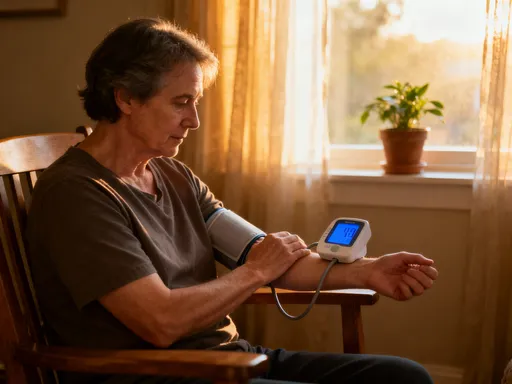
Technology also played a supportive role. I began using a home blood pressure monitor, which allowed me to track readings at different times of day and in a relaxed environment. I paired this with a simple symptom journal, noting factors like stress levels, diet, sleep, and physical activity. Over time, I noticed patterns: higher readings after salty meals, lower readings on days with morning walks. Mobile health apps helped organize this information, creating charts that made trends easier to see. Some apps even sync with devices, automatically recording blood pressure, heart rate, or steps, reducing the burden of manual tracking.
Still, I remained cautious about overreliance on technology. These tools are valuable when used as supplements to professional care, not replacements. I never let an app tell me to change a medication or ignore a symptom. Instead, I used the data to have more informed conversations with my doctor. The goal was not to become my own physician, but to become a more engaged participant in my care. This partnership—between personal observation and medical expertise—was key to turning data into understanding, and understanding into action.
Small Shifts, Big Impact: Daily Habits That Move the Needle
Once I understood my health indicators, the next step was making changes. I didn’t need a complete overhaul—just small, sustainable adjustments that could add up over time. My doctor emphasized that even modest improvements could have significant effects. For example, reducing sodium intake by just 1,000 milligrams a day can lower blood pressure within weeks. Increasing daily steps by 2,000 can improve circulation and support weight management. These aren’t dramatic transformations, but they are powerful when practiced consistently.
One of the first changes I made was in my diet. I began reading nutrition labels and was surprised by how much sodium was hidden in processed foods—canned soups, frozen meals, even bread and condiments. I started cooking more at home, using herbs and spices instead of salt for flavor. Simple swaps, like choosing fresh vegetables over canned, or unsalted nuts over chips, made a noticeable difference. I also paid attention to portion sizes and eating rhythm, aiming to eat balanced meals every few hours to avoid blood sugar spikes. Adding fiber-rich foods like oats, beans, and vegetables helped me feel full longer and supported digestive health.
Movement became another cornerstone. I didn’t start running marathons or joining intense fitness classes. Instead, I built activity into my daily routine: a 20-minute walk after dinner, stretching in the morning, parking farther from store entrances. These small efforts added up, improving my energy and helping lower my resting heart rate. I also discovered the benefits of mindful breathing and stress reduction techniques. Just five minutes of deep breathing in the morning or before bed helped me feel calmer, and over time, I noticed my blood pressure readings were more stable on days when I practiced relaxation.
Sleep and hydration, often underestimated, were equally important. I made a habit of drinking water throughout the day, limiting sugary drinks and excess caffeine. I also set a consistent bedtime and created a wind-down routine—dimming lights, avoiding screens, and reading instead. Better sleep didn’t just improve my mood; it helped regulate hormones that influence appetite and blood pressure. These changes weren’t about perfection. There were days when I ate out, skipped a walk, or stayed up too late. But I learned that consistency matters more than occasional slip-ups. Progress, not perfection, was the goal.
Staying on Track: Building Routines That Stick
Changing habits is one thing; maintaining them is another. Early enthusiasm can fade, and life’s demands often pull us back into old patterns. To stay consistent, I focused on building routines that fit naturally into my day. I used habit stacking—linking new behaviors to existing ones. For example, I paired taking my morning blood pressure reading with making coffee, so it became a seamless part of my routine. I set phone reminders for walks and medication, and kept my blood pressure monitor in a visible spot to reduce the chance of forgetting.
Accountability also helped. I shared my goals with a close friend who was also working on her health, and we checked in weekly. We didn’t compare numbers or compete; we simply offered encouragement and shared tips. This small connection made a big difference in staying motivated. I also learned to handle setbacks with compassion. If I missed a few days of tracking or ate something salty, I didn’t label it a failure. Instead, I viewed it as feedback—an opportunity to understand what triggered the lapse and how to adjust. Guilt only leads to disengagement; self-awareness leads to growth.
To stay inspired, I celebrated non-scale victories. Instead of focusing only on numbers, I paid attention to how I felt: more energy, better sleep, fewer headaches, improved lab results. I created a simple health dashboard—a notebook page where I recorded key metrics, habits, and personal wins. Seeing progress in one place reinforced my commitment. It reminded me that health is not a destination, but a continuous journey of small, intentional choices.
The Bigger Picture: Chronic Management as a Life Skill
Managing high blood pressure changed how I think about health. It’s no longer something I check on once a year, but a daily practice of awareness and care. What once felt like a limitation has become a source of empowerment. By learning to track and respond to my body’s signals, I’ve developed a deeper connection to my well-being. Chronic condition management isn’t just about avoiding disease—it’s about cultivating a lifestyle that supports vitality, resilience, and longevity.
This journey has taught me that prevention is not passive. It requires attention, effort, and partnership with healthcare providers. It means showing up for check-ups, asking questions, and taking responsibility for daily choices. But it also means rejecting fear-based thinking. Monitoring health indicators isn’t about worrying over every number; it’s about using information wisely to make informed decisions. It’s about shifting from reaction to anticipation, from crisis to control.
For others navigating similar paths, the message is clear: you are not alone, and small steps matter. Start with one change—tracking blood pressure, walking more, drinking water, sleeping better. Build from there. Let your health data guide you, but let your doctor interpret it. Stay curious, stay consistent, and be kind to yourself along the way. Health is not a single moment of perfection, but a lifetime of thoughtful choices. And with knowledge, support, and steady action, living well is not just possible—it’s within reach.