White Terraces & Local Treasures: You Won’t Believe What I Found in Pamukkale
So, picture this: natural cotton castles glowing under the Turkish sun, warm mineral waters trickling down dreamlike pools—and then, completely unexpected, a world of handcrafted soaps, thermal skincare, and local flavors waiting to be discovered. I went to Pamukkale for the views, but stayed for the specialty products that no one talks about. Trust me, what you find here goes way beyond Instagram shots—it’s real, it’s authentic, and it’s absolutely unforgettable. This is not just a destination of geological wonder; it’s a living culture shaped by healing waters, ancient traditions, and the quiet artistry of local hands. And once you step into this world, you begin to understand why Pamukkale lingers in your memory long after you’ve left.
First Glimpse: Arriving in Pamukkale and the Shock of the Surreal Landscape
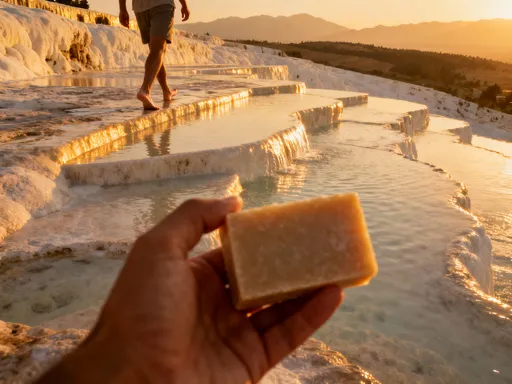
The first sight of Pamukkale is one of those rare travel moments that stops you in your tracks. As you approach from the nearby town of Denizli, the landscape shifts from rolling hills and olive groves to something almost alien—vast cascading terraces of bright white stone, glowing in the sunlight like frozen waterfalls or clouds spilled across the earth. This is not a constructed spa or a manicured garden. These are natural formations, built over thousands of years by the slow, steady hand of geology. The dazzling white steps are formed from travertine, a type of limestone deposited by the mineral-rich thermal waters that rise from deep within the earth. As the hot springs flow down the mountainside, they cool and release carbon dioxide, causing calcium carbonate to solidify and form these surreal, petrified pools.
What makes the scene even more magical is how it changes throughout the day. In the early morning light, the terraces appear soft and pearlescent, with a delicate blue shimmer in the shallow water. By midday, under the full strength of the Turkish sun, they glow with a brilliant, almost blinding whiteness. In the late afternoon, when shadows begin to stretch, the stone takes on warm golden tones, like honey poured over marble. Visitors often gasp or fall silent upon first seeing the site—a testament to its quiet power. The air carries a faint mineral scent, and the sound of gently trickling water adds to the sense of serenity. This is not just a visual spectacle; it is a full sensory immersion.
Scientifically, Pamukkale sits on a tectonic fault line, where underground thermal waters heated to over 35 degrees Celsius (95 degrees Fahrenheit) rise to the surface. These waters are rich in calcium and bicarbonate, creating the perfect conditions for travertine formation. The process is ongoing—new layers are still being laid down today, meaning the terraces are technically still growing. This dynamic quality adds to the site’s wonder: you are not just visiting a static monument, but witnessing a living geological process. For centuries, people have believed these waters to possess healing properties, particularly for skin and joint conditions. That belief, rooted in both tradition and the observable effects of the minerals, continues to draw visitors from around the world.
Walking on Cotton: The Experience of Exploring the Travertines
One of the most unique aspects of visiting Pamukkale is the requirement to walk barefoot on the terraces. Shoes are not allowed on the main travertine formations, both to protect the delicate surface and to enhance the visitor experience. At first, the idea may seem strange—walking on what looks like stone—but the sensation is anything but hard or cold. The travertine is surprisingly warm underfoot, heated by the water flowing just beneath the surface. It has a smooth, almost waxy texture, with a slight give that feels more like walking on compacted sand or hardened clay than traditional stone. In some areas, the surface is gently slippery, requiring careful, mindful steps, which only adds to the meditative rhythm of the journey.
Visitors typically leave their shoes in a designated area near the entrance, where lockers or guarded storage spaces are available. From there, they begin their ascent along the terraces, following marked pathways that guide them through the most iconic pools. The water in the shallow basins ranges from ankle- to calf-deep and maintains a comfortably warm temperature year-round. Many people wade slowly through the pools, letting the mineral-rich water wash over their feet and legs. Some sit at the edges, dipping their toes in, while others lie back in the larger pools, floating gently as if in a natural spa. This slow, unhurried movement encourages a sense of presence—of being fully in the moment, attuned to the warmth of the water, the texture of the stone, and the quiet sounds of nature.
Timing your visit can greatly enhance the experience. Early morning, shortly after the site opens, is often the best time to explore. Crowds are smaller, the light is soft and golden, and the terraces feel peaceful, almost private. By midday, the site becomes busier, especially during peak tourist seasons, and the heat of the sun can make walking more intense. Late afternoon offers a compromise—fewer crowds than midday, and the warm hues of sunset add a romantic glow to the white stone. Regardless of when you go, the act of walking barefoot across this natural wonder creates a deep, physical connection to the place. It transforms sightseeing into a bodily experience, one that stays with you long after your feet are back in shoes.
Hierapolis Beyond the Pools: When Ancient Ruins Meet Natural Wonder
Pamukkale’s magic is not confined to its natural beauty. Just above the travertine terraces lies the ancient city of Hierapolis, a UNESCO World Heritage Site that dates back to the 2nd century BCE. Founded by the Attalid kings of Pergamon, Hierapolis was built as a thermal spa city, drawing visitors from across the Greco-Roman world who came to bathe in the healing waters. Today, the ruins offer a powerful reminder of how deeply humans have long been drawn to this place—not just for its beauty, but for its perceived restorative powers. Walking through the remains of this once-thriving city, you can feel the layers of history merging with the living landscape.
The most impressive structure in Hierapolis is the well-preserved Greco-Roman theater, which seats over 15,000 people. Carved into the hillside, it offers panoramic views of the surrounding valley and, in the distance, the gleaming white terraces below. The acoustics are still remarkable—whispers from the stage can be heard in the uppermost rows, a testament to the engineering skill of its builders. Nearby, the ruins of the Roman baths, the agora, and the main colonnaded street give a vivid sense of daily life in antiquity. The necropolis, one of the largest in Turkey, stretches along the old city walls and contains tombs from different periods, including elaborate sarcophagi and family mausoleums.
What makes Hierapolis so compelling is how seamlessly it coexists with the natural environment. The ancient inhabitants did not see the travertines as separate from their city; they were central to its identity and purpose. Thermal baths were built directly into the slope, allowing hot spring water to flow into pools for public use. Inscriptions and historical records suggest that people traveled great distances to seek cures for ailments, much like modern visitors who come for wellness tourism. The site also had religious significance—the Plutonium, a cave believed to be an entrance to the underworld, was said to emit toxic gases and was used for ritual purposes. Today, while the gas emissions have ceased, the sense of mystery remains.
Exploring Hierapolis adds depth to the Pamukkale experience. It transforms the visit from a scenic outing into a journey through time. You begin to understand that this place has been a sanctuary for millennia—not just for its beauty, but for its ability to heal, inspire, and connect people to something greater than themselves. The harmony between nature and human history here is rare and deeply moving.
The Hidden Craft: Locals’ Specialty Products Born from the Springs
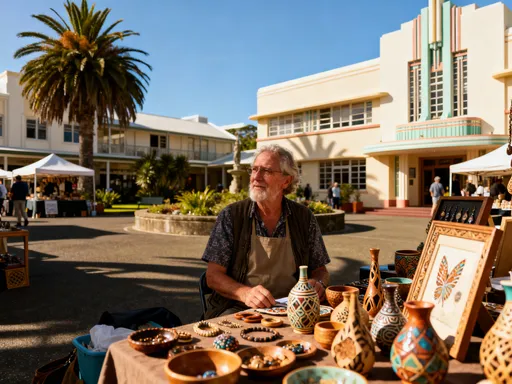
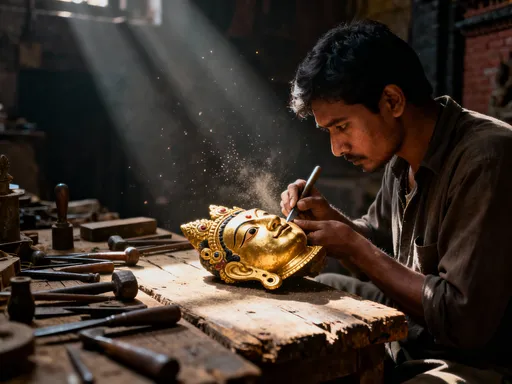
While the terraces and ruins are the main attractions, one of the most rewarding discoveries in Pamukkale is the world of local craftsmanship that has grown from its natural resources. Beyond the postcard views, there is a quiet industry of artisans creating specialty products using the very minerals and waters that make the region unique. These are not mass-produced souvenirs wrapped in plastic, but small-batch, handcrafted goods made with care and tradition. Among the most notable are handmade soaps infused with fine travertine dust, which is collected from natural runoff and carefully processed. These soaps are creamy, rich in minerals, and believed to gently exfoliate and nourish the skin, leaving it soft and refreshed.
Equally impressive are the skincare creams and lotions formulated with thermal water from the springs. Local producers extract the mineral-rich water and blend it with natural oils, shea butter, and plant extracts to create moisturizers that are especially beneficial for dry or sensitive skin. Many of these products are made in small workshops just outside the park, often run by families who have lived in the region for generations. The recipes are closely guarded, passed down through time, and reflect a deep understanding of the land’s gifts. Some artisans even use traditional methods, such as cold-processing oils or hand-pouring soaps into wooden molds, ensuring quality and authenticity.
Beyond skincare, the region is known for its wool textiles, particularly handwoven towels and scarves made from local sheep’s wool. These textiles are naturally dyed using pigments from plants like pomegranate peel, walnut husks, and wild madder root, resulting in soft earth tones that reflect the landscape itself. The weaving is often done on wooden looms, a skill preserved by older generations and slowly being revived among younger craftswomen. Another hidden treasure is the herbal tea blends sold by local vendors—infusions of sage, thyme, and linden flower, harvested from the surrounding hills and dried in the sun. These teas are not only flavorful but are also believed to support digestion and relaxation, making them a perfect companion to the region’s wellness culture.
What sets these products apart is their authenticity. They are not made for tourists alone; many locals use them daily, a sign of their genuine value. Purchasing them is not just about bringing home a memento—it’s about participating in a tradition of care, sustainability, and respect for nature. Each item carries the essence of Pamukkale: the warmth of the springs, the purity of the stone, and the quiet resilience of its people.
Where to Find the Real Deals: Markets, Stalls, and Honest Sellers
With growing tourism, the market for Pamukkale souvenirs has expanded—but not all products are created equal. While the main entrance area is lined with stalls selling soaps, creams, and textiles, discerning travelers will want to look beyond the most convenient options. Many of the items in high-traffic zones are imported from other regions or even other countries, repackaged to look local. To find the genuine articles, it pays to explore further. One of the best places to start is the small bazaar near the base of the hill, where independent vendors often sell goods made in nearby villages. Look for stalls where the products are labeled with ingredient lists or bear the names of local cooperatives.
Even better are the village cooperatives in towns like Denizli and Karahayıt, where artisans gather to produce and sell their work collectively. These cooperatives often operate with a focus on sustainability and fair wages, ensuring that profits stay within the community. Some offer guided tours or open workshops where visitors can watch soap being mixed, wool being spun, or herbs being blended. Seeing the process firsthand builds trust and deepens appreciation. Eco-conscious boutiques in nearby towns like Sarayköy also curate selections of authentic regional crafts, often with English signage and explanations of sourcing practices.
When evaluating quality, there are a few simple tips. Real travertine soap will have a slightly gritty texture from the mineral content and a natural, earthy scent—no overpowering artificial fragrances. Skincare creams should list thermal water as a primary ingredient and avoid parabens or synthetic preservatives. Handwoven textiles will have slight irregularities in the weave, a sign of human craftsmanship rather than machine production. And the best indicator of all? Speaking with the makers. Many artisans are happy to share their stories—how their grandmother taught them to make soap, or how they collect herbs from the same hills their ancestors did. These conversations transform a simple purchase into a meaningful connection.
Supporting honest sellers does more than ensure you get a quality product—it helps preserve traditional crafts and strengthens local economies. In a world of mass production, these small acts of mindful consumption matter. They keep ancient skills alive and give future generations a reason to stay connected to their heritage.
Beyond Souvenirs: Taking Home an Experience, Not Just Objects
The true value of Pamukkale’s specialty products lies not in their price or rarity, but in the memories and feelings they carry. A bar of travertine soap is more than a cleanser—it becomes a ritual, a moment of pause in your daily routine when you remember the warmth of the terraces, the sound of flowing water, the peace of walking barefoot on stone. Each time you use it, you reconnect with the journey. A jar of thermal cream is not just skincare; it’s a sensory echo of the mineral-rich air, the gentle care of local hands, the belief in nature’s ability to heal. Even a simple box of herbal tea can transport you back to a quiet afternoon in a village market, sipping a warm cup under the shade of a fig tree.
These items serve as anchors for experience, grounding abstract memories in tangible form. Unlike mass-market souvenirs that gather dust on shelves, these are meant to be used, enjoyed, and shared. They invite mindfulness—not just in travel, but in everyday life. Choosing to bring home a few meaningful items, rather than a suitcase full of trinkets, reflects a deeper way of engaging with the world. It says you were present, you listened, you valued what you found.
Moreover, every purchase supports the continuation of local traditions. When you buy from a family-run workshop or a village cooperative, you contribute to economic resilience in rural communities. You help ensure that young people see value in learning ancestral crafts rather than moving to cities for industrial jobs. You become part of a quiet movement toward sustainable tourism—one that honors place, people, and authenticity. In this way, your souvenirs become more than keepsakes; they become acts of stewardship.
Travel has the power to change us, but it can also change the places we visit. By choosing thoughtfully, we leave a gentler footprint and carry home something far more valuable than objects: stories, connections, and a renewed sense of wonder.
Final Thoughts: Why Pamukkale Stays With You Long After You Leave
Pamukkale is more than a destination—it is an invitation to slow down, to feel, and to rediscover the beauty of natural and human harmony. The white terraces may be the reason you come, but it is the deeper layers of the experience that make you stay in spirit. From the awe of walking on warm stone to the quiet dignity of ancient ruins, from the healing touch of thermal waters to the artistry of local hands, this place offers a rare completeness. It reminds us that travel is not just about seeing new sights, but about opening ourselves to new ways of being.
The specialty products of Pamukkale are not mere souvenirs; they are extensions of the landscape, born from its minerals, waters, and traditions. They represent a culture of care—care for the earth, care for the body, care for heritage. When you hold a bar of handmade soap or sip a cup of locally blended tea, you are not just remembering a trip. You are continuing a conversation with a place that has given you peace, beauty, and inspiration.
As you plan your journey or reflect on one already taken, consider this: the most meaningful souvenirs are not the ones that look the fanciest on a shelf, but the ones that bring you back to a moment of connection. Pamukkale teaches us to travel with intention, to seek authenticity, and to support the quiet makers who keep traditions alive. In doing so, we do not just take from a place—we give back, we remember, and we carry its spirit forward. That is the true magic of this cotton-white wonderland. And that is why, long after your feet have left the warm stone, Pamukkale never really leaves you.