You Won’t Believe What I Found Hiking Zion’s Hidden Trails
Zion National Park is more than just red rock canyons and epic hikes—it’s a playground of hidden leisure spots waiting to be discovered. I went looking for peace, fresh air, and a break from the everyday, and instead, I stumbled upon secret viewpoints, quiet riverside nooks, and local hangouts most tourists miss. This isn’t just a nature escape; it’s a full sensory reset. The scent of damp stone after a rare rain, the soft crunch of sand underfoot, the sudden silence when the wind drops—these are the moments that stay long after the trip ends. If you're craving moments that feel truly yours, Zion delivers—quietly, beautifully, and without the crowds.
Arrival & First Impressions: Stepping Into a Natural Wonderland
Entering Zion National Park from the south through Springdale, Utah, feels like crossing a threshold into another dimension. The air shifts—drier, cleaner, carrying the faint earthy scent of desert sage and sun-warmed rock. Towering sandstone cliffs rise like ancient sentinels on either side of the narrow valley, their layers telling stories millions of years in the making. The pace slows immediately. Cars give way to the park’s free shuttle system, a quiet but vital transition that strips away the noise and isolation of driving, replacing it with shared space and collective anticipation.
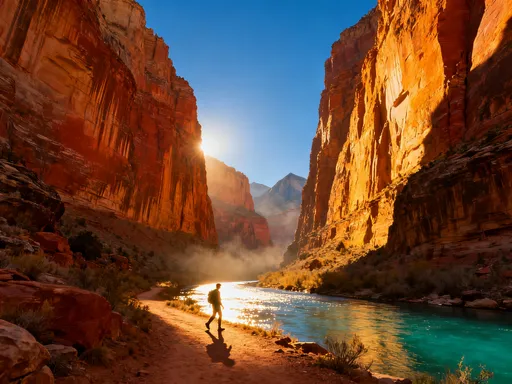
The first glimpse of the Virgin River, winding like a silver ribbon through the canyon floor, is both calming and invigorating. Its steady flow contrasts with the stillness of the cliffs, offering a rhythm that syncs with the breath. As the shuttle climbs toward the Temple of Sinawava, passengers grow quieter, drawn to the windows. Children press their palms against the glass; photographers adjust lenses in silent focus. This isn’t just a scenic drive—it’s a ritual of arrival, a preparation for immersion.
What surprises most visitors is how quickly the grandeur becomes intimate. The towering walls of red and ochre rock don’t feel oppressive but protective, like standing inside a cathedral carved by time. The light changes constantly—soft gold in the morning, deep crimson at midday, then a warm rose glow as the sun dips behind the peaks. Even in peak season, there’s a sense of spaciousness, of room to breathe. And that’s before you’ve taken your first step off the shuttle.
For many, the expectation is crowds, long lines, and a checklist of famous trails. What they find instead is a landscape that invites slowness. The air hums with quiet energy—birds calling from hidden perches, the distant splash of water, the rustle of leaves in the breeze. It’s a place where time feels different, not lost, but expanded. This shift begins the moment you step into the park, and it deepens with every mile walked, every breath taken in the high desert air.
Beyond the Narrows: Discovering Underrated Day Hikes
While the Narrows and Angels Landing draw the headlines, some of Zion’s most rewarding experiences lie off the beaten path. The Taylor Creek Trail in the Kolob Canyons section, accessible via the park’s less-visited north entrance, offers a serene alternative. Winding through a narrow gorge flanked by towering red cliffs, the trail follows an old railroad grade, making it gentle enough for families and hikers of all levels. The path is well-maintained, with wooden bridges crossing the creek and interpretive signs detailing the area’s pioneer history and geology.
What makes Taylor Creek special is its quiet beauty. Unlike the main canyon, which can feel crowded by mid-morning, Kolob remains peaceful even on weekends. The sound of flowing water dominates, punctuated by the occasional call of a canyon wren or the flutter of a raven’s wings. Ferns grow in shaded crevices, and cottonwood trees provide dappled shade along the banks. In spring, wildflowers bloom in bursts of purple and yellow, painting the canyon floor with color.
Another overlooked gem is the Canyon Overlook Trail, a short but dramatic hike that begins just after the Zion-Mount Carmel Tunnel. At just over a mile round trip, it offers one of the most breathtaking views in the park—looking down into the main canyon with the Virgin River snaking below. The trail gains elevation quickly, with some exposed sections requiring careful footing, but handrails and clear signage make it safe for most visitors. The best time to hike is early morning or late afternoon, when the light casts long shadows across the rock and the crowds are thin.
These trails prove that solitude and awe are not mutually exclusive. They offer the same geological drama as the park’s famous routes but with fewer people and more space to pause, reflect, and simply be. For travelers seeking a deeper connection with the landscape, these quieter hikes provide a chance to move at nature’s pace, not the pace of a crowded trailhead.
Riverside Retreats: Where to Pause, Play, and Unwind
One of the simplest yet most profound pleasures in Zion is stepping into the Virgin River. After a hike under the sun, the cool water is a welcome relief. Certain stretches of the river, especially along the Riverside Walk and near the Temple of Sinawava, are perfect for wading. The water is shallow, clear, and moves at a gentle pace, making it safe for children and adults alike. Many visitors remove their shoes and socks, rolling up their pants to let the current swirl around their ankles.
These riverside moments are not just about cooling off—they’re about connection. Sitting on a smooth rock, listening to the water flow, watching sunlight dance on the surface, creates a meditative stillness. It’s easy to forget time here. Some bring books or journals, finding a shaded spot beneath a cottonwood tree. Others simply lie back on a sun-warmed boulder, eyes closed, breathing in the scent of wet stone and damp earth.
For a more extended break, the grassy areas near the Emerald Pools trailhead offer excellent picnic spots. Families spread out blankets, unpacking sandwiches and fruit, while children play nearby. The sound of laughter mixes with birdsong, creating a gentle, joyful atmosphere. These are not designated campgrounds or formal recreation areas—they’re natural clearings where the land invites rest.
Safety is important when enjoying the river. Water levels can rise quickly after rain, even if it hasn’t rained in the canyon itself. Flash floods are a real hazard, so it’s essential to check weather conditions before entering any narrow gorge. Sturdy footwear with good grip is recommended, especially on slippery rocks. But when conditions are safe, the river becomes a place of renewal—a place where adventure and relaxation flow together like the water itself.
Hidden Viewpoints: When the Crowd Disappears
Most visitors flock to the main overlooks—Checkerboard Mesa, Court of the Patriarchs, Canyon Junction Bridge. But those willing to wake early or stay late are rewarded with solitude and some of the most stunning light in the park. One such spot is along the Watchman Trail, particularly the stretch just past the first switchback. From here, you can see the entire town of Springdale nestled in the valley, with the Watchman peak rising dramatically behind it. At sunrise, the rock glows a soft pink, gradually deepening to fiery orange as the sun climbs.
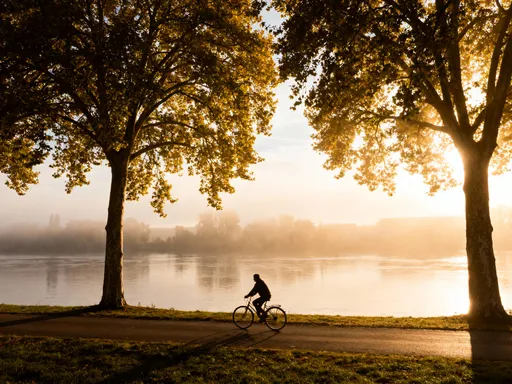
Another quiet viewpoint is near the East Entrance, accessible via the Pa’rus Trail. This paved, multi-use path is popular with cyclists and families, but few continue far enough to reach the quieter eastern stretches. Just past the second bridge, the trail curves away from the road, opening to wide views of red cliffs and green meadows. In the early morning, mist rises from the river, creating an ethereal atmosphere. It’s not uncommon to have this section entirely to yourself, even in summer.
For sunset, consider the trailhead area near the Zion Human History Museum. Facing west, it offers an unobstructed view of the setting sun painting the cliffs in layers of gold and crimson. Bring a lightweight camp chair or a blanket, and arrive 30 minutes before sunset. The light changes rapidly, and within minutes, the entire canyon seems to breathe fire. As the sky darkens, the first stars appear, and the air grows still.
These moments of solitude are not accidental—they’re earned through timing and intention. By choosing less popular trails or visiting at off-peak hours, travelers can experience Zion not as a destination to be checked off, but as a living, breathing landscape to be felt. The quiet is not empty; it’s full of presence.
Local Favorites: Cafés, Bookshops, and Post-Hike Rituals
The experience of Zion extends beyond the park boundaries into the town of Springdale, where small businesses thrive on the rhythm of outdoor adventure. Here, the culture is one of warmth, simplicity, and genuine hospitality. After a long hike, many locals and visitors alike head to Zion Canyon Brew Pub, not just for cold drinks but for the sense of community. The outdoor patio, shaded by cottonwood trees, is a favorite spot to unwind, swap trail stories, and watch the light change on the cliffs.
For something lighter, Pink Gypsy Café offers fresh smoothies, cold brew, and homemade pastries. The interior is cozy, with colorful murals and shelves lined with books about the Southwest. It’s common to see hikers flipping through trail guides or writing in journals, still dusty from the trail. The staff often know the latest trail conditions and are happy to share tips.
Another gem is the Spotted Dog Bookstore & Café, a family-run spot that doubles as a cultural hub. In addition to books on geology, Native American history, and desert ecology, it hosts occasional readings and art shows. The backyard garden is perfect for reading or quiet conversation. It’s not uncommon to overhear a spontaneous conversation between strangers about favorite trails or stargazing spots.
These places are more than just refreshment stops—they’re extensions of the park’s spirit. They offer space to reflect, recharge, and connect. In a world that often feels rushed, they remind visitors that leisure is not a luxury but a necessity. And in Springdale, it’s woven into the fabric of daily life.
Balancing Adventure & Relaxation: Planning Your Ideal Day
A perfect day in Zion balances movement with stillness. Begin early—6:30 a.m. is ideal—when the air is cool and the trails are quiet. Take the first shuttle to the Temple of Sinawava and walk the Riverside Trail, soaking in the morning light. From there, continue to the start of the Narrows, but instead of hiking deep into the canyon, turn back after a mile or two and find a riverside spot to rest.
By mid-morning, return to Springdale for a light breakfast at a local café. Use this time to hydrate, review maps, and plan the next part of the day. Around 11 a.m., head to the Kolob Canyons section for the Taylor Creek Trail. The drive takes about 40 minutes, but the scenery is worth it. Hike at a relaxed pace, stopping often to observe plants, birds, or interesting rock formations.
After the hike, have lunch at a picnic area near the trailhead or back in Springdale. Spend the early afternoon resting—reading, napping, or simply sitting in the shade. As the sun begins to lower, take a short walk on the Pa’rus Trail or visit the Human History Museum. End the day with dinner at a local restaurant, followed by a sunset viewing from one of the quiet overlooks.
This rhythm—activity, pause, reflection—mirrors the natural pace of the landscape. It allows for deeper appreciation and reduces the fatigue that comes from over-scheduling. The shuttle system makes logistics easy, and carrying a refillable water bottle, snacks, and a light jacket ensures comfort. Most importantly, building in “nothing time” allows the mind to absorb the beauty without pressure.
Why Leisure in Zion Matters: More Than Scenic Views
Zion National Park offers more than stunning scenery—it offers a chance to reconnect with a slower, more mindful way of being. In a world dominated by screens, schedules, and constant noise, the quiet majesty of the desert provides a powerful counterbalance. The act of walking a trail, sitting by a river, or watching the sunset without distraction is not passive; it’s a form of restoration.
Studies have shown that time in nature reduces stress, improves mood, and enhances cognitive function. But in Zion, the benefits go beyond science. There’s a spiritual quality to the stillness—the sense of being small in a vast landscape, yet deeply connected to it. The red rocks, shaped by water and wind over millennia, remind us that change is slow but constant. They invite patience, presence, and humility.
For many visitors, especially women in their 30s to 50s who balance family, work, and personal needs, this kind of retreat is essential. It’s not about escaping responsibility, but about returning to oneself. A quiet moment on a riverside rock, a deep breath of clean air, the warmth of the sun on the skin—these are small acts of self-care that accumulate into profound renewal.
Zion does not demand grand gestures. It asks only that you show up, pay attention, and allow yourself to be still. In doing so, you may find not just beauty, but clarity. The park’s hidden trails lead not just to scenic overlooks, but to inner landscapes long neglected. And in that quiet, something shifts—gently, beautifully, and without fanfare.