You Gotta See These Porto Spots — My Honest Check-In on Local Shopping Gems
Stepping into Porto feels like flipping through a beautifully worn-in storybook, where every alley whispers history and charm. During my recent check-in, I didn’t just fall for the pastel buildings or the Douro River views — I got hooked on the city’s shopping soul. Forget generic malls; Porto’s true magic lies in its independent boutiques, artisan corners, and hidden markets. This is a city where craftsmanship meets character, and every purchase tells a story. Let me take you through the real shopping scene — authentic, local, and full of surprises.
First Impressions: The Vibe of Porto’s Urban Landscape
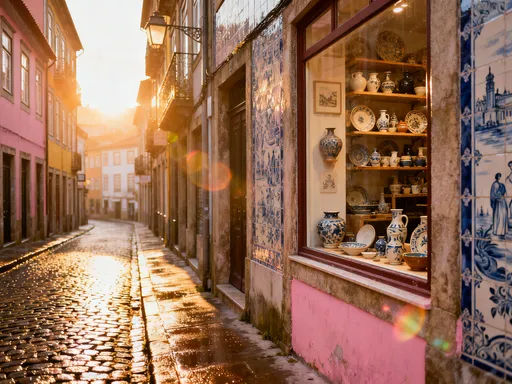
From the moment you step off the tram or cross the Dom Luís I Bridge, Porto wraps you in its distinctive atmosphere — a blend of old-world elegance and vibrant street life. The city unfolds along steep, winding lanes paved with smooth, black-and-white cobblestones, their patterns echoing centuries of footsteps. Facades shimmer with azulejos, the iconic blue ceramic tiles that adorn churches, train stations, and even humble bakeries. These intricate mosaics aren’t just decorative; they’re historical storytellers, each panel offering glimpses into Portugal’s maritime past, religious devotion, or daily life in earlier centuries.
The Douro River, wide and shimmering under the Atlantic light, serves as the city’s natural spine. Along its banks, especially in the Ribeira district, colorful houses stack like stacked postcards, their balconies draped with laundry and potted geraniums. The scent of grilled sardines mingles with the damp stone and river mist, creating a sensory welcome that feels both rustic and romantic. This visual and emotional richness sets the tone for what makes shopping in Porto so uniquely satisfying — it’s not a transaction, but a continuation of the city’s narrative.
What stands out is how seamlessly modern life integrates into this historic framework. While the architecture speaks of the 18th and 19th centuries, the storefronts reveal a city that honors tradition while embracing innovation. You’ll find a centuries-old pharmacy with antique wooden cabinets now selling organic herbal remedies beside a sleek concept store showcasing minimalist Portuguese design. This duality — reverence for the past coupled with quiet confidence in the present — defines Porto’s urban rhythm. It’s a city that doesn’t perform for tourists; it simply lives, breathes, and invites you to explore at your own pace.
Neighborhoods unfold like chapters in a novel, each with its own voice. The grandeur of the Baixa contrasts with the bohemian energy of Cedofeita, while the riverside bustle of Ribeira gives way to the quiet dignity of residential hills. This diversity means your shopping journey can shift dramatically from street to street — from hand-painted ceramics to avant-garde fashion — without ever feeling disjointed. Porto’s aesthetic coherence comes not from uniformity, but from a shared respect for quality, authenticity, and local identity.
Ribeira District: Where Tourism Meets Local Craft
The Ribeira district, nestled along the lower banks of the Douro River, is one of Porto’s most photographed and visited neighborhoods. Its postcard-perfect houses, narrow alleys, and lively riverside promenade draw crowds from morning until late evening. While it’s undeniably tourist-friendly, Ribeira remains a vital space for local artisans and small-scale vendors who keep traditional crafts alive. Walking through its labyrinthine streets, you’ll encounter a fascinating mix of souvenir stalls and genuine craft shops — the key is knowing how to tell the difference.
Many of the storefronts along Rua da Reboleira and Rua de São João are filled with mass-produced trinkets: miniature Eiffel Towers labeled as Portuguese souvenirs, machine-printed tile magnets, and plastic replicas of port wine bottles. These items cater to quick shoppers and cruise passengers with limited time. But tucked between them are real gems — family-run workshops where artisans paint azulejos by hand, or shops specializing in filigree jewelry and hand-embroidered linens. These authentic vendors often display certificates of origin or membership in local artisan cooperatives, a subtle but reliable indicator of legitimacy.
One of the most rewarding experiences is visiting a small tile atelier where you can watch craftsmen transfer centuries-old designs onto clay. The process involves hand-cutting stencils, applying cobalt oxide pigment, and firing each piece in traditional kilns. These tiles, whether sold as individual artworks or incorporated into decorative panels, carry the weight of history and personal effort. Buying one isn’t just acquiring decor — it’s preserving a fading art form.
Street vendors in Ribeira also play an important role, especially during weekends and festivals. You’ll find artists selling hand-drawn portraits, musicians offering Fado-themed prints, and weavers displaying baskets made from natural fibers. While bargaining isn’t customary in Portugal, a friendly conversation often leads to a better understanding of the item’s origin — and sometimes, a small discount. The real value, however, lies in the exchange: hearing the maker’s story, learning about regional symbolism in patterns, or discovering how a textile design connects to northern Portugal’s rural heritage.
Ribeira’s shopping identity is shaped by this constant dialogue between tourism and tradition. It’s not a preserved museum, but a living district where commerce adapts without losing its soul. For the mindful traveler, it offers a chance to support local creators while avoiding the pitfalls of generic souvenir culture. By choosing to engage with authentic vendors — asking questions, observing techniques, and valuing craftsmanship over convenience — you become part of Porto’s cultural continuity.
Baixa & São Bento: The Heart of Everyday Commerce
If Ribeira enchants with its riverside charm, the Baixa district delivers the steady pulse of Porto’s daily life. Centered around Rua de Santa Catarina, one of the city’s busiest shopping avenues, Baixa blends national retail chains with long-standing family businesses that have served locals for generations. This is where Portuenses come to shop for clothing, household goods, and specialty foods — a mix that offers visitors an unfiltered look at Portuguese consumer culture.
Walking down Rua de Santa Catarina, you’ll pass familiar names like Zara and H&M, but what makes this stretch special are the independent stores nestled between them. A shoe shop with hand-stitched leather loafers, a haberdashery filled with vintage buttons and lace trim, or a perfumery offering locally made bergamot and fig scents — these small businesses thrive by offering what chains cannot: personal service, unique inventory, and deep community ties. Many owners remember their customers by name, and it’s not unusual to be offered a glass of water or a sample of regional honey while browsing.
Two landmarks define Baixa’s shopping character: Galerias de Paris and Mercado do Bolhão. Galerias de Paris is a covered arcade dating back to the early 20th century, its glass roof filtering sunlight onto polished stone floors. Inside, the layout feels like a miniature city — a watch repairer next to a hat boutique, a music shop beside a traditional confectioner selling domingas and travesseiros, flaky pastries that melt on the tongue. The arcade’s design encourages slow exploration, turning shopping into a leisurely ritual rather than a chore.
Mercado do Bolhão, recently renovated but faithful to its roots, is a sensory feast. Open-air stalls overflow with seasonal produce — blood oranges from Algarve, wild mushrooms from Trás-os-Montes, baskets of clams still glistening with seawater. But the market is also a hub for artisanal goods: jars of golden honey infused with rosemary, hand-poured beeswax candles, and bundles of dried herbs tied with twine. The upper floor houses craft vendors, including potters, knitters, and woodworkers, many of whom travel from nearby villages to sell their wares. Unlike tourist markets, prices here are fair and fixed — the emphasis is on quality and trust, not negotiation.
The presence of São Bento Railway Station at the edge of Baixa adds to the district’s accessibility and energy. Famous for its breathtaking azulejo-covered interior depicting scenes from Portuguese history, the station funnels commuters, tourists, and day-trippers into the neighborhood. This steady flow of people supports a diverse retail ecosystem, from quick-service bakeries to elegant jewelry boutiques. Yet despite the foot traffic, Baixa maintains a grounded, unpretentious feel. There’s no pressure to spend; even window shopping is welcomed. For visitors, this balance of convenience and authenticity makes Baixa an ideal place to experience how Portuenses live — and shop — every day.
Cedofeita: The Hipster Strip with Soul
A short walk west from Baixa, the Cedofeita neighborhood reveals a different side of Porto — one that’s fashion-forward, environmentally conscious, and deeply rooted in local creativity. Once a working-class area, Cedofeita has evolved into a hub for independent designers, vintage collectors, and sustainable brands. Rua de Cedofeita, the main artery, is lined with boutiques that feel more like curated galleries than retail spaces. Here, shopping becomes an act of discovery, where every store tells a story of reinvention and purpose.
What sets Cedofeita apart is its commitment to slow fashion. You’ll find brands that use organic cotton, repurpose vintage fabrics, or collaborate with local seamstresses to produce limited runs. Stores like &anda or Pois offer clothing with clean lines and earthy tones, designed to last beyond seasonal trends. Accessories are equally thoughtful — cork handbags dyed with natural pigments, wooden sunglasses crafted from sustainably harvested timber, or jewelry made from recycled silver. These items aren’t just stylish; they reflect a growing awareness of consumption’s impact on people and the planet.
Vintage shopping thrives here, with shops like Vintage & Co and Roupas Velhas offering carefully restored garments from the 1960s to the 1990s. Unlike chaotic thrift stores, these boutiques curate their selections with an eye for quality and design. A silk blouse from a defunct French label, a wool coat with Art Deco buttons, or a pair of handmade leather boots — each piece carries history and character. For travelers seeking unique additions to their wardrobe, Cedofeita offers finds that stand out without shouting.
Beyond clothing, the street is dotted with concept stores that blend retail with experience. A shop might sell ceramics in the front, host a weekly poetry reading in the back, and offer workshops on natural dyeing techniques. Others focus on zero-waste living, stocking reusable containers, bamboo toothbrushes, and refillable cleaning products. These spaces foster community, turning shopping into a shared value rather than a solitary act.
Cedofeita’s rise hasn’t erased its soul. Unlike gentrified districts that lose their local flavor, this neighborhood still feels lived-in. Elderly residents sit on benches sharing gossip, children play in the square, and neighborhood cafes serve bica (Portuguese espresso) to regulars. The new boutiques coexist with traditional barbershops, family-run groceries, and corner tascas. This balance makes Cedofeita not just a shopping destination, but a model of how cities can evolve without sacrificing authenticity. For the conscious traveler, it’s a reminder that style and sustainability can go hand in hand.
Artisan Markets: Beyond the Mainstream
While Porto’s streets are dotted with charming shops, its markets offer a more immersive way to connect with local makers. These gatherings, whether daily or seasonal, celebrate the handmade, the seasonal, and the communal. Two standouts — Mercado do Bolhão and Feira Franca — provide complementary experiences, one rooted in daily life, the other in historical tradition.
Mercado do Bolhão, already mentioned for its retail presence, deserves special attention as a living marketplace. Since the 19th century, it has served as a hub for farmers, fishermen, and artisans from the surrounding region. Today, after careful restoration, it retains its original purpose while embracing modern standards of hygiene and accessibility. The ground floor remains dedicated to fresh food — think baskets of cherries in summer, crates of chestnuts in winter, or mounds of sea salt harvested from coastal pans. But it’s the upper level that draws craft lovers: small stalls manned by the creators themselves.
Here, you’ll find artisans selling hand-thrown pottery glazed with natural minerals, woven baskets made from reeds gathered along the Douro, and soaps infused with lavender and eucalyptus from northern farms. Cork products are a specialty — not the flimsy keychains sold in tourist zones, but durable wallets, laptop sleeves, and even wall art made from layered cork bark. Each vendor is eager to explain their process, often sharing family recipes or regional techniques passed down for generations. Buying here means supporting small-scale production and preserving endangered crafts.
Feira Franca, held annually in late August, takes a different approach. Inspired by medieval trade fairs, it transforms the riverside into a temporary village of wooden stalls, live music, and historical reenactments. The atmosphere is festive but grounded in authenticity — vendors wear period-inspired clothing, and goods reflect traditional Portuguese industries. You’ll find hand-forged iron tools, woolen blankets from Serra da Estrela, and leather goods stitched using age-old methods. Food stalls serve medieval-inspired dishes like roast suckling pig and spiced wine, all prepared with local ingredients.
The cultural value of such markets extends beyond commerce. They serve as living museums, keeping historical practices alive while giving artisans a platform to reach new audiences. For visitors, they offer a chance to engage directly with makers, ask questions, and understand the effort behind each product. Unlike souvenir shops where items feel disconnected from their origins, market purchases come with context and connection.
Timing your visit can enhance the experience. Early mornings at Mercado do Bolhão offer the best produce and fewer crowds, while late afternoons allow for more relaxed conversations with vendors. Feira Franca is busiest on weekends, so a weekday visit ensures a more intimate experience. Bargaining isn’t expected in either setting — prices reflect fair wages and material costs — but a smile and a few words in Portuguese (“Gostei muito” — “I really like it”) go a long way.
Specialty Shops: From Port Wine Lodges to Bookstores
Porto’s shopping identity isn’t limited to fashion or crafts — it extends into sensory experiences that engage taste, sound, and imagination. Nowhere is this more evident than in Vila Nova de Gaia, just across the river, where port wine lodges offer both tastings and bottle sales. These historic cellars, some dating back to the 18th century, store thousands of oak barrels aging ruby, tawny, and vintage port. Visitors can tour the facilities, learn about blending techniques, and purchase bottles to take home — often with personalized labeling options.
The shopping experience here is deeply tied to education. Knowledgeable staff explain the differences between a 10-year tawny and a vintage declaration, or how climate affects aging. For non-drinkers, many lodges also sell gourmet items like chocolate pairings, port-infused sauces, or branded glassware. These purchases carry the prestige of a globally recognized tradition while supporting a local industry that has shaped Portugal’s economy for centuries.
Another iconic destination is Livraria Lello, frequently listed among the world’s most beautiful bookstores. Its ornate wooden staircase, stained-glass skylight, and neo-Gothic detailing create a cathedral-like atmosphere. While the store sells a wide range of literature, its fame — partly attributed to rumored inspiration for Hogwarts — means long lines and a timed entry system. Inside, visitors often buy not just books, but high-quality souvenirs: leather-bound journals, literary-themed mugs, and exclusive editions of Portuguese authors.
Yet beyond the crowds, smaller specialty shops offer quieter treasures. Music lovers can visit stores selling the guitarra portuguesa, the 12-string instrument central to Fado music. These handcrafted instruments, with their pear-shaped bodies and intricate inlay work, are made by master luthiers and can be customized with personal engravings. For those drawn to Portugal’s musical heritage, owning a piece of this tradition is profoundly meaningful.
Gastronomy shops cater to food enthusiasts seeking authentic flavors. Stores like Embaixada do Bacalhau specialize in salted cod kits, complete with recipe cards and traditional cooking utensils. Others focus on regional olive oils, vinegars, or canned seafood — Portugal’s conservas are world-renowned for their quality. These items make practical, delicious souvenirs that bring Porto’s culinary spirit into your kitchen.
Practical Tips: How to Shop Like a Local in Porto
To truly enjoy Porto’s shopping culture, a few practical considerations can make a big difference. The currency is the euro, and while credit cards are widely accepted, it’s wise to carry some cash for small vendors at markets or family-run shops. ATMs are readily available, but avoid those in high-traffic tourist areas, which may charge higher fees.
Non-EU visitors are eligible for tax-free shopping at participating stores, typically those displaying a “Tax Free” sticker. To qualify, purchases must exceed a minimum amount — usually around 60 euros per store per day — and you’ll need to request a refund form at checkout. Keep your receipts and present them along with your passport and purchases at the airport before departure. The refund can be processed in cash, card, or check, depending on the provider.
Store hours in Porto follow a traditional rhythm. Many shops close between 1 p.m. and 3 p.m. for lunch, especially outside tourist centers. Most reopen by 3:30 or 4 p.m. and stay open until 7:30 or 8 p.m. Sunday hours are limited — only major shopping areas or airport-adjacent stores remain open. Planning your shopping around these times ensures you won’t miss out.
Haggling is not part of Portuguese retail culture. Prices are fixed, particularly in stores and markets. However, a polite demeanor and basic Portuguese phrases — “Bom dia,” “Obrigada,” “Quanto custa?” — are appreciated and can lead to friendly interactions, perhaps even a small gift like a sample of honey or a postcard.
For sustainable shopping, bring a reusable tote bag — plastic bags are being phased out, and many stores charge a small fee for paper or biodegradable options. Support local by choosing products made in Portugal, especially those with regional certifications. And remember: the best souvenirs aren’t always the most expensive, but the ones that carry memory, meaning, and a connection to the people who made them.
Whether you’re drawn to fashion, food, books, or crafts, Porto offers a shopping experience that’s rich in authenticity and soul. By exploring beyond the obvious, you don’t just collect objects — you gather stories, traditions, and a deeper understanding of a city that honors its past while moving forward with quiet confidence.
Conclusion
Porto’s shopping landscape is far more than a side note — it’s a reflection of the city’s living culture. Each store, stall, and market tells a story rooted in tradition, reinvention, and community. By choosing to explore beyond the obvious, travelers don’t just collect souvenirs — they carry home pieces of Porto’s soul. The real treasure isn’t what you buy, but what you discover along the way.