You Gotta Taste This: Fukuoka’s Food Scene Will Blow Your Mind
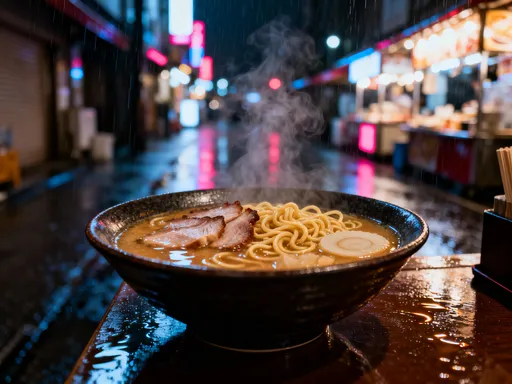
Fukuoka isn’t just a city—it’s a flavor explosion waiting to happen. I still remember my first bite of steaming tonkotsu ramen at a tiny yatai stall, rain falling softly on the street corner. The broth was rich, creamy, and unforgettable. From hidden local joints to bustling markets, Fukuoka serves up authenticity on every plate. This is food you feel, not just eat. Let me show you why this city should be next on your culinary radar.
Why Fukuoka is Japan’s Underrated Food Capital
Fukuoka, the largest city on Japan’s southern island of Kyushu, holds a quiet distinction: it is one of the country’s most vibrant yet underappreciated culinary destinations. While Tokyo dazzles with Michelin-starred precision and Osaka brags of bold street eats, Fukuoka offers something rarer—unfiltered, soulful food rooted in community and tradition. Its cuisine doesn’t cater to spectacle; it thrives on daily rituals, family-run stalls, and generations of perfected recipes. This authenticity is what makes Fukuoka a true food lover’s paradise, where every meal feels personal and deeply satisfying.
The city’s unique food identity stems from its geography and history. Located closest to mainland Asia, Fukuoka has long been a gateway for cultural and culinary exchange. Centuries ago, trade with Korea and China introduced ingredients and techniques that gradually evolved into something distinctly Fukuokan. Unlike the more formal dining traditions of central Japan, Fukuoka’s food culture emphasizes informality, warmth, and accessibility. Meals are often shared in tight alleyways or at open-air carts, reinforcing a sense of connection between strangers and neighbors alike.
What sets Fukuoka apart is its emphasis on immediacy and freshness. The city’s proximity to the sea ensures that seafood arrives at markets within hours of being caught. Farmers from surrounding regions bring seasonal produce to local stalls, and many restaurants pride themselves on sourcing ingredients from within Kyushu. This farm-to-table rhythm isn’t a trend here—it’s a way of life. As a result, visitors experience flavors that are not only bold but also honest, with minimal pretense and maximum satisfaction.
While other Japanese cities may offer more polished dining experiences, Fukuoka wins with heart. There’s no need for elaborate presentations or hushed dining rooms. Instead, you’ll find joy in simple moments: a warm bowl of ramen on a chilly evening, a plate of spicy mentaiko spread over rice, or a cold beer shared under a glowing yatai tent. These are the experiences that linger long after the trip ends, proving that Fukuoka’s true wealth lies not in its skyline, but in its shared meals.
Ramen Like Nowhere Else: The Heart of Fukuoka’s Street Food
If there’s one dish that defines Fukuoka, it’s Hakata-style tonkotsu ramen. This isn’t just soup—it’s a cultural institution. The broth, simmered for up to 12 hours, transforms pork bones into a velvety, ivory-colored liquid that coats the tongue with deep umami richness. The process is both an art and a science, requiring constant skimming, precise temperature control, and a deep respect for time. Each bowl reflects hours of labor, patience, and pride, making it more than a meal—it’s a tribute to craftsmanship.
The magic of Hakata ramen lies in its simplicity. The core ingredients are few: the creamy broth, thin straight noodles that hold the soup perfectly, tender slices of chashu pork, a marinated soft-boiled egg, and pickled bamboo shoots. Yet, the harmony of these elements creates a flavor experience that is both comforting and complex. The noodles, often made fresh daily, are typically firm and springy, allowing diners to customize their texture by choosing how long they want them cooked—ranging from soft (yawa) to extra firm (bari-kata).
What truly sets Fukuoka’s ramen culture apart is its accessibility. Unlike the formal dining rooms of high-end restaurants, ramen is enjoyed in cramped counters, standing bars, and late-night yatai. Some of the most revered ramen spots have no chairs, no menus in English, and lines that stretch down the block. Yet, locals return daily, drawn not by novelty but by consistency and quality. Names like Ichiran, Ippudo, and Nagate Shinshu have gained international fame, but the soul of Fukuoka’s ramen scene lives in lesser-known establishments tucked into backstreets and subway underpasses.
For visitors, the ramen experience is both exciting and immersive. Ordering often involves a ticket machine, where you select your broth strength, noodle firmness, and toppings. First-timers may feel overwhelmed, but staff are typically patient and welcoming. The reward is immediate: a steaming bowl placed before you, steam rising, aroma filling the air. One spoonful of broth is all it takes to understand why Fukuoka is considered the birthplace of tonkotsu ramen. It’s not just delicious—it’s essential.
Yatai Culture: Dining Under the Stars
One of Fukuoka’s most enchanting culinary traditions is the yatai—mobile food carts that line the banks of the Naka River, especially in the Nakasu and Tenjin districts. These modest, tent-covered stalls come alive at dusk, glowing like lanterns against the night sky. Each one specializes in a handful of dishes, from ramen and yakitori to oden and mentaiko dishes. More than just places to eat, yatai are social hubs where office workers unwind, friends reconnect, and travelers stumble upon unforgettable moments of connection.
The yatai experience is deeply sensory. The air fills with the sizzle of grills, the clink of beer bottles, and the murmur of conversation in Japanese. The smell of garlic, soy, and charred meat drifts through the breeze. You’ll find yourself seated on a small stool, knees nearly touching your neighbor’s, sharing space with strangers who soon feel like companions. There’s an unspoken camaraderie in these moments—a shared appreciation for good food, cold drinks, and the simple joy of being present.
Yatai are more than nostalgic relics; they are living parts of Fukuoka’s daily rhythm. While their numbers have declined due to regulations and urban development, the city has made efforts to preserve them as cultural treasures. Most operate from early evening until midnight, offering an informal alternative to traditional restaurants. Many have been run by the same families for decades, passing down recipes and techniques through generations. To dine at a yatai is to participate in a tradition that values warmth, simplicity, and human connection over luxury or convenience.
For visitors, navigating the yatai scene can be both fun and slightly intimidating. Most stalls do not have English menus, and cash is almost always required. But this is part of the charm. A smile, a point at what someone else is eating, or a simple “osusume wa nan desu ka?” (What do you recommend?) goes a long way. Don’t be afraid to try something unfamiliar—many yatai offer small plates perfect for sampling. Whether it’s a bowl of rich ramen, grilled scallops with butter, or a plate of spicy cod roe on rice, each bite tells a story of place and tradition.
Beyond Ramen: Must-Try Local Dishes You Won’t Find Elsewhere
While ramen may be Fukuoka’s most famous export, the city’s culinary repertoire extends far beyond noodles. One standout is mentaiko, spicy marinated cod roe that has become a regional obsession. Originally influenced by Korean cuisine, mentaiko was adapted in Fukuoka to suit local tastes, resulting in a bold, briny flavor with a kick of chili. It’s commonly served over rice, in pasta, or as a filling for onigiri, but its true essence is best experienced in its simplest form: a spoonful of bright orange roe on warm, steamed rice.
Mentaiko isn’t just a food—it’s a symbol of Fukuoka’s identity. Local producers take pride in the quality of their roe, often using fresh Alaska pollock and natural curing methods. Some shops even allow visitors to taste before buying, offering samples of varying spice levels. For those who appreciate umami-rich flavors, mentaiko is a revelation. It’s also widely available as a souvenir, with vacuum-sealed packs and gift boxes found in department stores and train stations, making it an easy way to bring a taste of Fukuoka home.
Another beloved specialty is motoyaki, a gratin-style dish typically made with scallops, oysters, or squid baked with a creamy, miso- or mayonnaise-based sauce. Served hot in the shell, motoyaki is comfort food at its finest—rich, warm, and deeply satisfying. The dish reflects Fukuoka’s coastal abundance, showcasing the freshness of local seafood enhanced by simple, flavorful toppings. It’s commonly found in izakayas and yatai, often ordered as a shared plate alongside beer or sake.
For the adventurous eater, a visit to Nakasu Market offers a morning feast of raw possibilities. This bustling wholesale and retail market comes alive at dawn, with fishermen and vendors displaying glistening tuna, plump shellfish, and live crabs. While not as touristy as Tsukiji in Tokyo, Nakasu provides an authentic glimpse into how locals source their seafood. Many small eateries within the market serve breakfast plates of sashimi, grilled fish, and rice bowls made with the day’s freshest catch. Arriving early means not only avoiding crowds but also enjoying peak freshness—a principle deeply valued in Japanese cuisine.
Hidden Eateries and Off-the-Beaten-Path Gems
One of the greatest joys of eating in Fukuoka is discovering its hidden culinary treasures. Away from the guidebook highlights and Instagram-famous spots lie countless small restaurants known only to locals. These are the places where generations-old recipes are quietly preserved, where the owner greets regulars by name, and where the menu hasn’t changed in 30 years. Finding them requires curiosity, a bit of wandering, and a willingness to step into spaces that look more like storage closets than dining rooms.
Look for clues: a line of salarymen outside a doorway, a hand-painted sign in Japanese, or a counter with only five stools. These are often signs of a place worth trying. Many of Fukuoka’s best izakayas have no English signage, no online presence, and no reservations. They operate on a first-come, first-served basis, serving dishes like simmered pork belly, grilled chicken skewers, and house-made pickles. The experience is intimate, unpolished, and deeply rewarding.
Standing bars, or tachinomi, are another hallmark of Fukuoka’s dining culture. These no-frills spots allow customers to eat and drink while standing, often at a narrow counter facing the street. They’re perfect for a quick bite or a late-night snack, offering everything from ramen to fried dumplings. The pace is fast, the service efficient, and the atmosphere lively. For visitors, tachinomi offer a chance to eat like a local, embracing the city’s fast-paced, no-nonsense approach to food.
Neighborhood noodle shops, often tucked into residential alleys, are equally worth seeking out. These family-run establishments may serve only one or two types of ramen, perfected over decades. The broth is made from scratch daily, the chashu pork slow-cooked until tender, and the eggs marinated for just the right amount of sweetness. There’s no frills, no branding, just honest food made with care. To find these spots, walk beyond the main streets, explore side alleys, and follow the scent of simmering broth. The reward is a meal that feels personal, authentic, and unforgettable.
Food-Friendly Neighborhoods: Where to Stay and Explore
When planning a culinary trip to Fukuoka, choosing the right neighborhood can make all the difference. Two areas stand out: Tenjin and Hakata. Each offers a distinct vibe, dining scene, and rhythm of life, allowing visitors to match their stay with their preferences.
Tenjin is the city’s modern heart, a bustling district filled with department stores, boutiques, and underground shopping arcades. It’s also a food lover’s paradise, with everything from trendy cafes to traditional izakayas. The area around Tenjin Nishi and Tenjin Minami stations is particularly dense with dining options, including ramen alleys, standing sushi bars, and dessert shops serving matcha parfaits and soft-serve ice cream. Tenjin is ideal for travelers who enjoy convenience, variety, and a lively urban atmosphere. Staying here means being within walking distance of countless meals, as well as cultural spots like the Fukuoka Art Museum and Ohori Park.
Hakata, centered around the main train station, offers a different pace. As the historical gateway to Kyushu, it blends modern transit hubs with traditional charm. The area is known for its concentration of yatai, particularly along the Naka River, making it a prime spot for evening dining. Hakata Station itself houses a food basement, or depachika, filled with high-quality takeout options, bento boxes, and regional specialties. This neighborhood is perfect for those who want easy access to day trips—such as Dazaifu or Kitakyushu—while still being close to great food. The atmosphere is slightly calmer than Tenjin, with a mix of business travelers and local residents.
For the best experience, consider splitting your stay between both districts or choosing a hotel within walking distance of both. The Fukuoka City Subway makes navigation easy, with the Kuko Line connecting key areas in under 20 minutes. Walking is also highly recommended—many of the best meals are found by chance, around corners you wouldn’t have noticed otherwise. Plan routes that combine food stops with cultural visits: start with breakfast at Nakasu Market, visit Kushida Shrine, enjoy ramen for lunch, and end with yatai dinner and a river walk. This rhythm allows you to eat well while truly experiencing the city’s soul.
How to Eat Like a Local: Practical Tips for First-Timers
Entering Fukuoka’s food scene as a visitor can be thrilling, but a few practical tips will help you navigate with confidence. First and foremost: carry cash. While larger restaurants and chain stores may accept credit cards, most yatai, small izakayas, and neighborhood noodle shops operate on a cash-only basis. ATMs are widely available at convenience stores like Seven-Eleven and Lawson, but it’s wise to withdraw enough at the start of each day to avoid surprises.
Menus in local establishments are typically in Japanese, with few translations. Don’t let this deter you. Translation apps like Google Translate work well when you point your camera at the menu. Alternatively, many restaurants display plastic food models in their windows—a universal language of deliciousness. If you’re unsure, simply point to what others are eating or ask, “Kore wa nan desu ka?” (What is this?). Staff are generally patient with foreign guests and appreciate the effort to engage.
Timing your meals can also enhance your experience. Popular ramen shops and yatai often have long lines during peak hours (12–1 p.m. for lunch, 7–9 p.m. for dinner). Arriving 30 minutes earlier or later can help you avoid waits and enjoy a more relaxed meal. Breakfast options are limited in traditional restaurants, but convenience stores offer surprisingly good choices, including onigiri, sandwiches, and hot soups. For the best seafood, visit markets in the morning when the catch is freshest.
Finally, embrace the local dining etiquette. Slurping noodles is not just acceptable—it’s encouraged, as it enhances flavor and shows appreciation. Tipping is not customary in Japan and may even confuse staff. Instead, express gratitude with a simple “gochisousama deshita” (thank you for the meal) when you leave. Sharing tables at yatai and standing bars is common, so be open to conversation and respectful of personal space. These small gestures go a long way in creating a warm, welcoming experience.
Conclusion
Fukuoka doesn’t shout about its flavors—it lets them speak for themselves. Every bowl, bite, and late-night toast under a yatai awning tells a story of tradition, warmth, and community. This city proves that the best travel memories aren’t seen—they’re tasted. From the first sip of creamy tonkotsu broth to the fiery kick of fresh mentaiko, Fukuoka engages the senses in ways that linger long after the journey ends. It invites you not just to observe, but to participate—to sit on a tiny stool, share a table with strangers, and savor food made with pride and purpose. So pack your appetite, not just your camera. The table is waiting.