You Won’t Believe What Hamburg’s Food Scene Hides in Plain Sight
Hamburg isn’t just about fish sandwiches and harbor views—its real magic lies in the bustling commercial districts where flavor meets everyday life. I walked through streets buzzing with energy, where food isn’t just eaten, it’s experienced. From spice-scented alleys to hidden courtyard kitchens, the city’s culinary heartbeat pulses strongest where locals shop, work, and gather. This is food with soul, right in the middle of the action. Unlike the polished food halls or tourist-centric plazas, Hamburg’s most authentic tastes unfold organically in neighborhoods where commerce and culture intersect. Here, a morning coffee is served beside a spice vendor shouting in Turkish, and a quick lunch might mean a steaming bowl of pho from a repurposed shipping container. The city’s true food identity isn’t hidden behind velvet ropes—it’s embedded in the rhythm of daily urban life.
The Pulse of Altona: Where Daily Life Meets Delicious
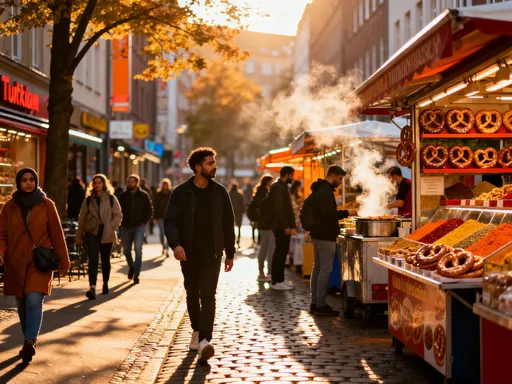
Altona, one of Hamburg’s oldest districts, radiates a warmth that comes from decades of layered community life. Its central commercial strip, stretching from Altona Station through the bustling Bleichenhof area, offers a sensory map of the city’s multicultural evolution. Here, food is not an attraction—it’s infrastructure. Traditional German bakeries with hand-painted signs stand shoulder to shoulder with family-run Turkish delis where olives glisten in glass jars and fresh lahmacun bakes in clay ovens. On weekday mornings, the scent of buttery pretzels and strong Turkish coffee drifts through the air as office workers, students, and market vendors begin their day. This is not a curated experience; it’s real life, and food is its heartbeat.
What sets Altona apart is its authenticity. Unlike more sanitized shopping districts, Altona doesn’t cater to visitors—it serves residents. That means the food reflects genuine need, not tourism trends. A woman in a headscarf might hand you a still-warm börek from a small kiosk tucked between a pharmacy and a hardware store. A Vietnamese family might run a pop-up kitchen in a courtyard, serving pho only on weekends when the lunch rush peaks. These are not Instagrammable gimmicks but time-tested traditions passed down through generations of immigrants who’ve made Altona home. The result is a culinary landscape that feels both diverse and deeply rooted.
For visitors, this means discovery happens not through guidebooks but through observation and openness. A simple walk down Schulterblatt reveals layers of flavor: a Lebanese spice merchant offering free samples of za’atar, a Polish grocery with smoked sausages hanging in the window, a tiny café where elderly men debate politics over thick Turkish tea. The food here tells stories—of migration, resilience, and community. It’s not about luxury or novelty; it’s about sustenance, connection, and shared space. In Altona, every bite is a conversation, and every meal is a window into the lives of those who live and work here.
Sternschanze – The Edgy Heart of Street Food Culture
If Altona is the soul of Hamburg’s food culture, Sternschanze is its rebellious younger sibling. Once a neglected industrial zone, Schanze has transformed into a creative epicenter where art, activism, and food converge. Graffiti covers the sides of converted warehouses, and the sidewalks pulse with the energy of street performers, cyclists, and young professionals browsing vintage shops. But beneath its edgy exterior lies a thriving food revolution. Organic markets, vegan pop-ups, and mobile kitchens have turned this district into a laboratory for sustainable, innovative eating.
The Schanze Sunday market is a weekly celebration of this transformation. Held in the Schanze-Center parking lot, it draws hundreds of locals seeking fresh produce, handmade cheeses, and plant-based delicacies. Vendors proudly display their certifications—bio, fair trade, regional—while offering samples of cold-pressed juices, fermented kimchi, and lentil burgers made from locally grown legumes. Unlike conventional markets, this one feels like a community event, complete with live music and children’s craft stations. The food isn’t just sold—it’s shared, discussed, and celebrated as part of a larger movement toward conscious consumption.
Street food here is more than convenience; it’s a statement. Food trucks with names like "Grüne Flamme" (Green Flame) and "Pflanzenkraft" (Plant Power) serve hearty grain bowls, jackfruit tacos, and cashew-based cheeses. These aren’t niche offerings—they’re mainstream, embraced by students, artists, and even corporate workers on lunch breaks. The shift reflects a broader change in Hamburg’s taste profile: away from heavy meats and cream-based sauces, toward bold, vegetable-forward dishes that prioritize flavor and sustainability. Entrepreneurs in Schanze aren’t just selling meals—they’re reshaping Hamburg’s culinary identity, one reusable container at a time.
Neuer Wall vs. Spitaler Straße: Luxury Shopping and Gourmet Bites
Just a few kilometers east lies a different side of Hamburg’s commercial food culture—one defined by elegance, precision, and high demand. Neuer Wall, often called Germany’s most exclusive shopping street, is lined with designer boutiques, luxury watchmakers, and private banking offices. Yet even in this world of opulence, food plays a critical role. Shoppers in tailored coats and designer handbags don’t just browse—they refuel. And where they eat speaks volumes about the city’s blending of commerce and cuisine.
Neighboring Spitaler Straße, once a modest retail corridor, has evolved into a gourmet corridor that complements Neuer Wall’s luxury appeal. Here, artisanal cafés and upscale lunch spots cater to a clientele that values both speed and quality. A woman stepping out of a Chanel boutique might pause at a handcrafted sandwich bar, where sourdough bread is baked daily and fillings rotate based on seasonal produce—think roasted beetroot with goat cheese, or smoked trout with dill crème fraîche. These aren’t fast-food options; they’re mini culinary experiences designed for time-pressed professionals who refuse to compromise on taste.
Specialty coffee has also found its place in this ecosystem. Roasteries with Scandinavian-inspired interiors serve single-origin pour-overs and velvety flat whites to shoppers and office workers alike. The beans are sourced ethically, the brewing is precise, and the atmosphere is calm—a quiet counterpoint to the surrounding retail frenzy. What’s remarkable is how seamlessly food integrates into the commercial rhythm. A business meeting might start with a coffee at a minimalist café, followed by a working lunch at a bistro serving German-Japanese fusion dishes. The blend of luxury and gastronomy isn’t forced—it feels natural, even necessary, in a city where productivity and pleasure coexist.
St. Pauli’s Reeperbahn: More Than Just Nightlife
For decades, the Reeperbahn has been synonymous with nightlife, music, and entertainment. Its neon lights and late-night energy draw tourists from around the world, many unaware that by day, this district offers some of Hamburg’s most satisfying food experiences. Strip away the nighttime buzz, and you’ll find a quieter, more intimate side of St. Pauli—one where food thrives in unexpected corners.
Morning brings a different crowd: locals grabbing late breakfasts at cozy nooks tucked between music venues and vintage clothing stores. One such spot, a sunlit café near Spielbudenplatz, serves thick French toast with seasonal compote and freshly whipped cream—popular among night-shift workers winding down and early risers alike. Another favorite is a Moroccan tea house with floor cushions and intricate lanterns, where mint tea is poured from silver pots and tagines simmer slowly in the back kitchen. These places aren’t hidden, but they’re often overlooked by visitors who associate the area only with evening revelry.
Seafood lovers will find cult favorites along the side streets. A small fish-and-chips stand, run by a third-generation vendor, draws lines at lunchtime. The cod is sustainably sourced from the North Sea, lightly battered, and served with hand-cut fries and house-made tartar sauce. Customers stand on the sidewalk, eating from paper cones, rain or shine. There’s no seating, no frills—just exceptional food in the middle of urban chaos. These pockets of culinary excellence reveal that the Reeperbahn’s identity is more complex than its reputation suggests. It’s not just a place to party—it’s a place to eat, connect, and experience the unfiltered pulse of the city.
HafenCity’s Modern Food Flow
HafenCity, Europe’s largest urban regeneration project, represents Hamburg’s future. A district of glass towers, pedestrian bridges, and waterfront promenades, it blends cutting-edge architecture with human-centered design. And at the heart of this modern landscape is food—strategically placed, thoughtfully designed, and deeply integrated into daily life. Unlike older districts where food evolved organically, HafenCity’s culinary offerings are the result of deliberate urban planning, proving that great food culture can be both intentional and authentic.
Waterfront snack bars dot the canals, serving everything from oyster sliders to spiced lentil soup in compostable bowls. These aren’t afterthoughts—they’re anchors of social life. Office workers gather at outdoor tables, laptops open, coffee in hand, while families stroll past with ice cream. Nordic-inspired bistros offer minimalist menus focused on local seafood, rye bread, and foraged herbs, reflecting a regional pride that feels both modern and timeless. The food here mirrors the architecture: clean lines, natural materials, and a respect for function and beauty.
Perhaps most innovative is the integration of food into coworking spaces and business plazas. Shared work environments include communal kitchens and café lounges where professionals meet, collaborate, and recharge. A mid-morning break might include a warm cinnamon roll from a nearby bakery or a cold-pressed green juice from a kiosk with digital ordering. These small moments—eating, chatting, pausing—are built into the rhythm of the day. In HafenCity, food isn’t a distraction from work; it’s part of the workflow. This thoughtful fusion of commerce, community, and cuisine offers a blueprint for how cities can design spaces that nourish both body and mind.
Practical Tips: Navigating Hamburg’s Food-Rich Commercial Zones
Exploring Hamburg’s commercial food districts is rewarding, but a little planning enhances the experience. Timing matters. Altona and Sternschanze are best visited in the morning or early afternoon, when markets are fully stocked and bakeries have fresh batches. The Schanze Sunday market runs from 10 a.m. to 4 p.m., making it ideal for a relaxed weekend outing. In contrast, Spitaler Straße and Neuer Wall peak during weekday lunch hours (12–2 p.m.), so arriving early or slightly after 2 p.m. avoids the busiest crowds.
Public transport is efficient and eco-friendly. The S-Bahn and U-Bahn networks connect all major districts, with Altona, Sternschanze, and St. Pauli each served by direct lines. A single-day ticket allows unlimited travel and is cost-effective for visitors planning to explore multiple areas. Biking is also popular—Hamburg has an extensive network of protected bike lanes, and rental stations are plentiful. For those with mobility concerns, most commercial zones are pedestrian-friendly, with ramps, elevators, and accessible restrooms.
Payment trends are shifting toward cashless systems. While some small vendors still prefer cash, most cafés, markets, and food trucks accept major credit cards and mobile payments. Carrying a mix is wise, but not essential. Wallet-friendly options abound: a fresh pretzel from a bakery, a falafel wrap from a Turkish stand, or a slice of quiche from a market stall can cost under €5. For those with dietary needs, Hamburg is accommodating. Vegetarian and vegan choices are widely available, especially in Schanze and HafenCity. Gluten-free options are increasingly common, with many bakeries offering dedicated lines. Labels are usually clear, and staff are accustomed to questions about ingredients, making it easier to eat safely and confidently.
Why Hamburg’s Commercial Areas Are the Future of Urban Food Travel
Hamburg’s food scene challenges the notion that authentic culinary experiences must happen in hidden alleys or exclusive restaurants. Instead, the city proves that real discovery unfolds where life happens—in commercial districts where people shop, work, and commute. These areas are not designed for tourists; they exist for residents. And that’s precisely what makes them so powerful. The food here isn’t staged—it’s sustained by daily need, cultural pride, and community trust.
What emerges is a model for urban food travel that prioritizes integration over isolation. In Altona, food reflects diversity. In Schanze, it drives innovation. In Spitaler Straße, it complements commerce. In St. Pauli, it thrives in contrast. In HafenCity, it’s woven into the city’s very design. Each district tells a different story, yet all share a common thread: food as a natural part of urban life, not a separate attraction.
For travelers, especially women aged 30 to 55 who value meaningful, safe, and enriching experiences, Hamburg offers something rare—a city where exploration feels intuitive, not exhausting. There’s no need to chase trends or decode secret menus. The best meals are in plain sight, served by people who’ve been doing it for years. The city doesn’t shout its pleasures; it whispers them in the steam rising from a soup cart, the laughter at a market stall, the quiet satisfaction of a perfectly brewed coffee on a Monday morning.
So go beyond the guidebooks. Step into the flow of daily Hamburg. Let the rhythm of its commercial streets guide you—not to a destination, but to a way of living. Because in this city, the most unforgettable meals aren’t found on a list. They’re discovered in the moments between errands, in the warmth of a bakery’s oven, in the shared silence of a noon coffee break. Hamburg’s food scene isn’t hidden. It’s alive, open, and waiting—to nourish, to welcome, and to remind us that the heart of a city beats strongest where life unfolds, one bite at a time.